Pet Bag Manufacturer supplies pet bags at wholesale scale - backpacks, totes, slings, travel bags and wheeled formats - to retailers, marketplace sellers and distribution partners. Orders start at 500 pieces per colourway, samples take 6-10 working days and bulk production takes 35-50 days under AQL 2.5 inspection, shipped FOB Xiamen on T/T 30/70 terms.
Pet Bag Types & Styles
Backpacks, totes, slings, travel bags and wheeled carriers - the full pet bag assortment in one programme.
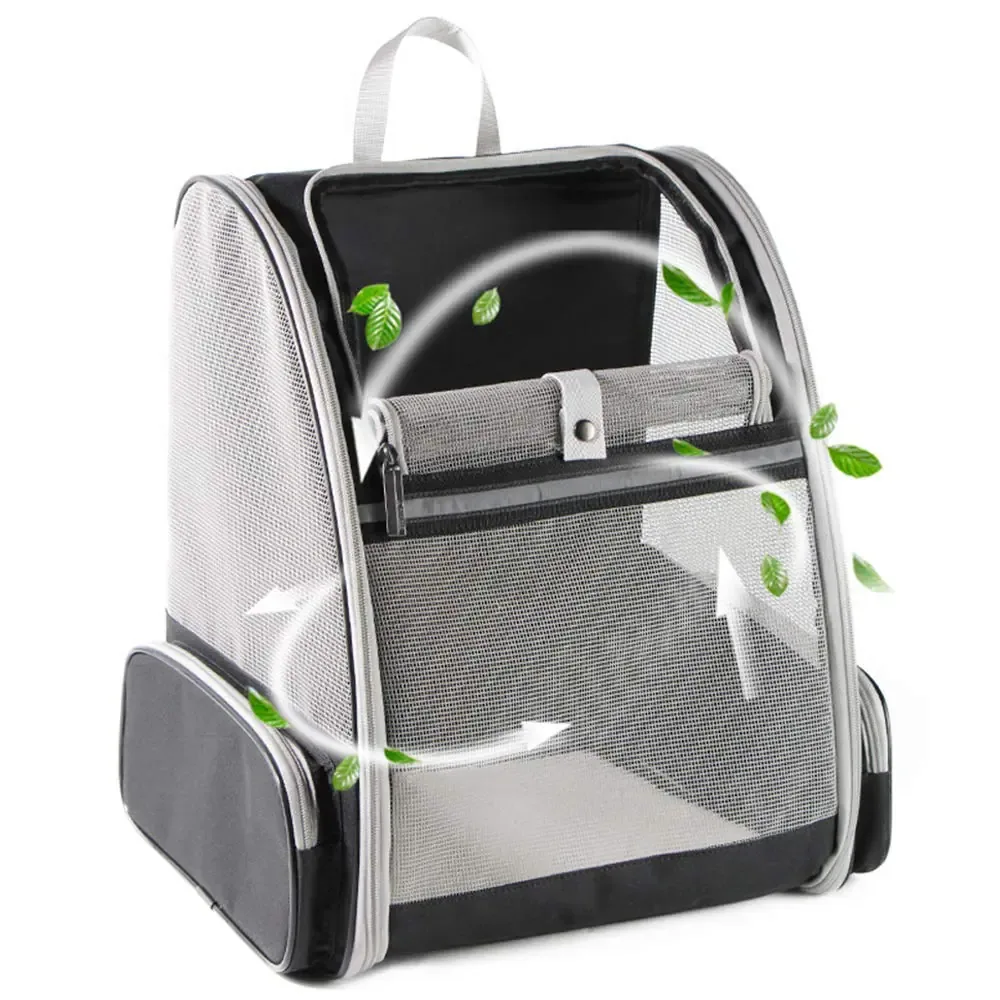
Material & Technology
Fabric, coating, hardware and testing technology, specified to a standard rather than a trade name.
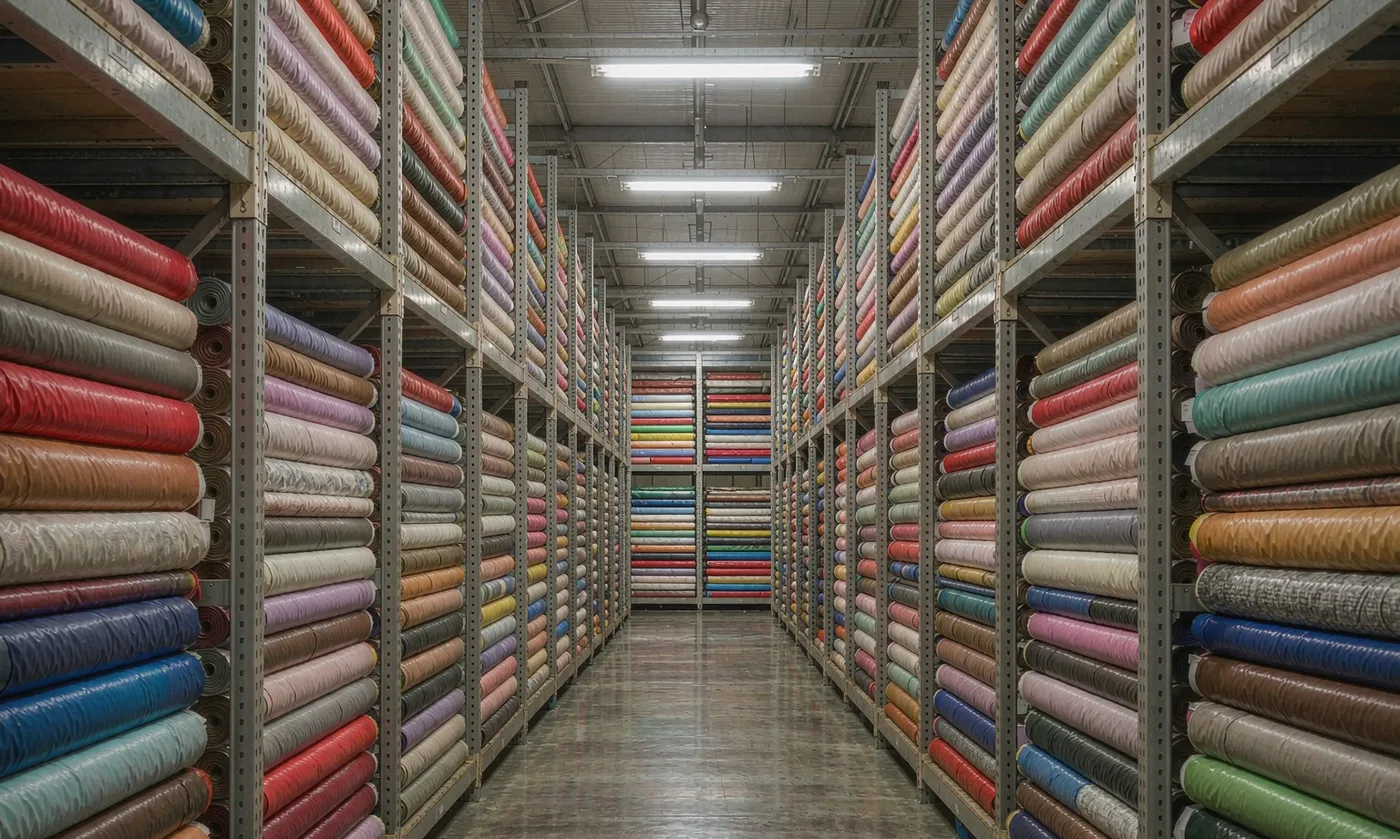
Market & Business Strategy
Pricing, channels, compliance and order economics for buyers sourcing pet bags at wholesale scale.
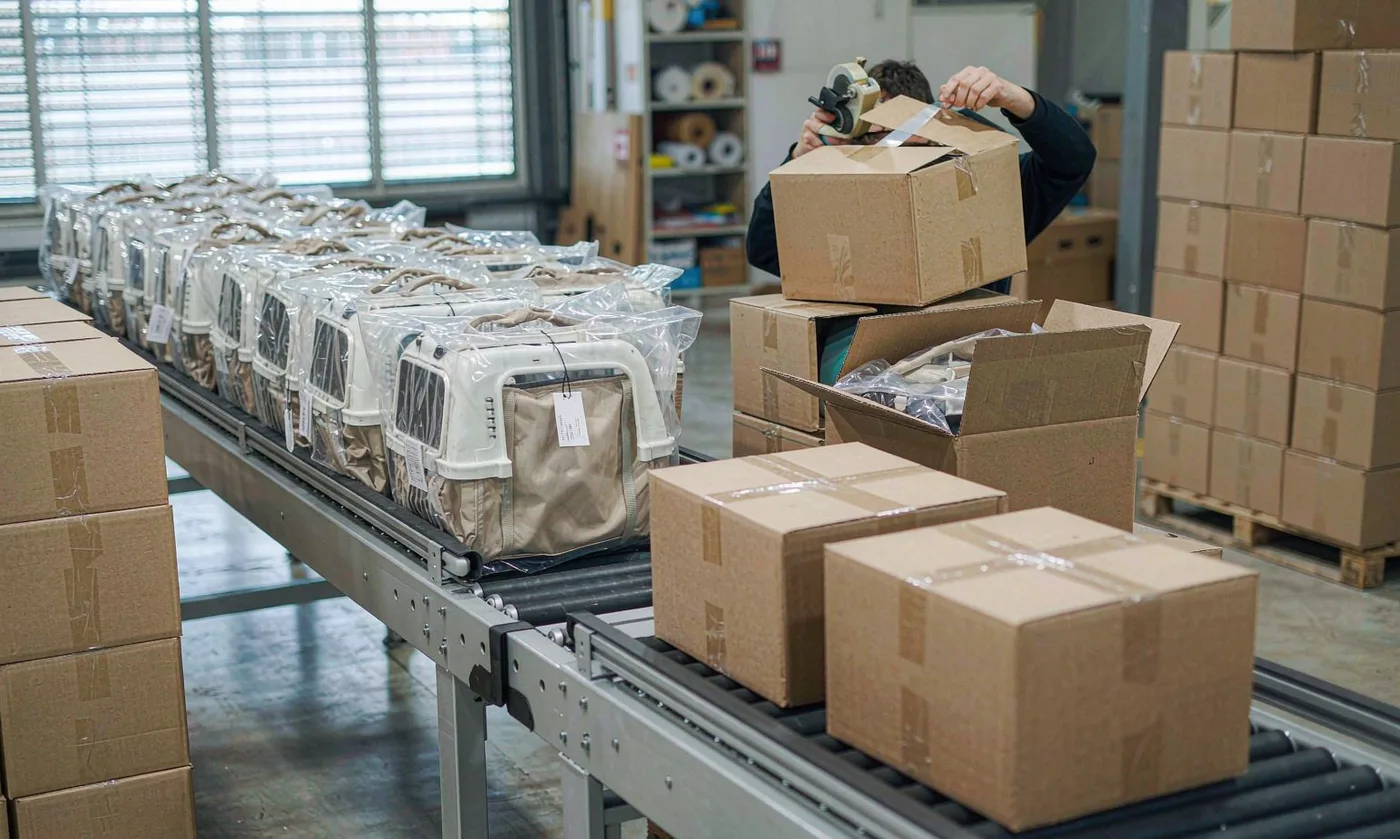
Working terms
| Commitment | Detail | Standard |
|---|---|---|
| Colourway minimum | 500 units per verified colour; size splits inside one style count toward it | Yes |
| Colour matching | Lab dips on the actual substrate, not a paper swatch | Yes |
| Tooling | Owned by the buyer once paid for; never used for another client | Yes |
| Inspection access | Buyer or their nominated agency may attend the pre-shipment check | Yes |
| Documentation | Test reports tied to the exact dye lot and hardware batch shipped | Yes |
What we supply
A custom programme is built in four layers, and each one can be specified independently. The design and branding layer covers logo method, placement, label set, hang tag and retail packaging - the parts a shopper recognises as yours. The material layer covers shell fabric, coating, mesh, padding and hardware, specified to a tested standard rather than a trade name. The colour layer covers Pantone matching on the production substrate, with rub and light fastness validated before release. The size and function layer covers the three size platforms, the carry system, convertible structures and tech add-ons.
Because all four layers share one tech pack, a private-label buyer can lock a single fabric and colour standard across an assortment and keep the branding consistent between a carrier and the accessories sold beside it.
Materials and testing
Fabric options run from 300D and 600D polyester with PU backing to 900D Oxford, ripstop nylon, TPU-laminated shells and EVA moulded bodies. Hardware is specified by model - YKK or SBS reverse-coil zippers, Duraflex or equivalent acetal buckles - and every hardware batch receives cycle testing before cutting. Colour fastness is checked to ISO 105 rub standards, restricted substances against REACH Annex XVII and California Proposition 65 requirements, and US-bound children's product classifications against CPSIA limits.
Order flow
- Enquiry and brief. Send quantities, target price and reference images.
- Tech pack and costing. We return a BOM-based quote within the agreed window.
- Sampling. 6-10 working days for a first prototype.
- Revisions. Fit, structure, branding placement and labelling adjusted.
- Bulk production. 35-50 days after sample approval.
- Inspection and shipment. AQL 2.5 pre-shipment check, then loading FOB Xiamen or DDP.
Latest guides
- Pet Bag Market Sizing: Demand Forecast
- Pet Bag Private Label Launch: Go-to-Market Plan
- Pet Bag Trade Show: Sourcing Fairs
- Pet Bag Wholesale Distributor: Channel Strategy
- Pet Bag Shopify: DTC Store Setup
- Pet Bag TikTok Shop: Social Commerce
- Pet Bag DHgate: Wholesale Portal
- Pet Bag Alibaba: B2B Platform
- Pet Bag AliExpress: Global Sourcing
- Pet Bag Amazon: Marketplace Giant
- Pet Bag Chewy: Online Pet Store
- Pet Bag Petsmart: Big Box Retail
What moves the unit price most
Five line items account for most of the movement in a pet carrier quote, and they are worth understanding before a negotiation starts. Fabric is usually first: moving from 300D to 900D Oxford, or adding TPU lamination, shifts cost more than any other single choice. Hardware is second - a YKK reverse-coil zipper costs several times an unnamed equivalent and is the single most common cause of field returns when cut. Third is the base construction: moulded PP rail assemblies cost real money, while die-cut EVA does not. Fourth is branding method, because embroidery and silicone badges carry per-unit set-up that only amortises over volume. Fifth is packaging - retail box instead of bulk polybag changes both unit cost and carton count, and therefore freight.
| Cost driver | Impact | Note |
|---|---|---|
| Fabric and coating | High | 300D PU to 900D TPU laminate is roughly a 40-70% swing on the fabric line |
| Zippers and buckles | High | Branded versus unbranded hardware is the largest quality variable |
| Base construction | Medium | Die-cut EVA versus moulded PP rail assembly |
| Branding method | Medium | Embroidery and moulded badges need set-up amortised over quantity |
| Packaging | Medium | Retail box raises unit cost and carton count simultaneously |
| Print coverage | Low | Screen print cost is driven by colour count and placement difficulty |
| Label set | Low | Compliance labelling is a fixed cost per unit at this scale |
Typical order patterns by channel
A private-label brand launching three colourways usually starts at 1,500 pieces split across them, which is enough to clear the 500-per-colourway threshold without over-committing inventory. Pet specialty chains tend to order two sizes of one style at 2,000-5,000 pieces and repeat seasonally. Marketplace sellers often begin with the minimum and reorder faster, which is why we keep 500-piece programmes on standard materials available for faster restocking.
Programme shapes we support
Four buyer profiles account for most enquiries, and each one needs a different kind of help. Brand owners arrive with artwork and a price point but often without a tech pack, so most of the early work is specification. Retail chains arrive with a compliance manual and a delivery window, so the work is documentation and scheduling. Marketplace sellers need small quantities quickly, which favours existing patterns and stock materials. Clinical and grooming buyers prioritise cleanability above all else, which pushes toward coated shells, removable liners and wipe-down hardware.
| Buyer profile | Arrives with | What we solve first | Typical first order |
|---|---|---|---|
| Brand owner | Artwork and price point | Specification development and sampling | 1,500-5,000 pcs |
| Retail chain | Compliance manual and window | Documentation, testing, scheduling | 2,000-10,000 pcs |
| Marketplace seller | Speed and cash flow | Stock patterns, small runs, fast restock | 500-2,000 pcs |
| Clinical or grooming | Cleanability | Coated shells, removable liners, hardware choice | 500-3,000 pcs |
Wider range
Pet carriers are one part of a broader sewn-goods programme. Outdoor dry bags, travel packs and waterproof soft goods run through the same sourcing team, documented on our umbrella site junyuanbags.com.
Ready to start a pet carrier programme? MOQ 500 pieces per colourway, samples in 6-10 working days, bulk production in 35-50 days under AQL 2.5 inspection.
Request a quote Ask for samples