Pet Wedding Bag: Special Occasion Wholesale Sourcing
A wholesale pet wedding bag programme starts at MOQ 500 pieces per colourway, costs USD 5.80-11.40 FOB Xiamen per unit, and needs 35-50 days of bulk production after a 6-10 working day sample cycle. Wedding is the highest price-tolerance and lowest repeat-purchase category in the pet bag business. Shipments release only after an AQL 2.5 pre-shipment inspection.
Wedding pet bags are bought once, photographed extensively and judged far more harshly than any other category in the assortment. That combination sets the commercial logic: the buyer is not optimising for repeat volume but for a single high-margin transaction with an unforgiving quality expectation. Price tolerance is the highest of any occasion category, and tolerance for colour deviation is the lowest. Programmes are structured at MOQ 500 pieces per colourway on a shared premium shell.
The material risk follows from the palette. Ivory, champagne and white shells show soiling, shade drift and storage yellowing in a way that no mid-tone fabric does, and the failure is visible in exactly the photographs the customer is paying for. Our production team specifies a controlled dye lot with a signed shade band, a soil-release finish on the shell, and anti-yellowing packaging with a defined shelf-life guidance for this category, all of which add cost that the price point comfortably supports.
Timing is standard and the window is not compressed, because wedding dates are known months in advance: sampling takes 6-10 working days, bulk runs 35-50 days, and sea freight adds 28-35 days to a US West Coast distribution centre. Quality gates are fixed at AQL 2.5 under general inspection level II with zero tolerance for critical defects and a tighter major-defect tolerance on shade and soiling. Terms are T/T 30/70 against FOB Xiamen, and production runs through an SGS-verified production base with 7 lines, 149 machines and 200,000 pieces per month under BSCI and ISO 9001.
Choosing a pet carrier supplier or a pet bag supplier comes down to the same three checks: a named production base, a test file that matches the destination market, and a price list that states what is excluded. An own-brand launch usually fails on the second check rather than the first, because the file gets assembled after the order instead of before it.
Wedding as a Premium Occasion: Price Tolerance and Volume Reality
The wedding category inverts almost every assumption a pet bag buyer brings from core categories. Volume is low and will not repeat. Price tolerance is high and will absorb specification upgrades that no other channel would accept. Quality expectation is extreme, because the product appears in photographs that the customer keeps permanently. And the purchase date is known far in advance, which removes the calendar pressure that makes most occasion categories risky.
That combination produces a specific commercial model. The buyer is not building a replenishment line; they are building a margin event. Sell-through is measured in units per season rather than units per month, and a slow-moving premium unit is a far smaller problem than a fast-moving unit that photographs badly. Buyers who carry a core-category instinct into this category consistently under-specify and then wonder why the reviews are poor.
Demand splits into three use cases that should be specified separately. The first is the ceremony role, where the pet carries rings or walks in, and the unit has to look formal and photograph cleanly. The second is travel to and from the venue, where function matters and the unit has to protect the pet in a car or a hotel. The third is the gift purchase, bought by a guest or by the couple for the pet, where presentation dominates entirely.
The table below shows the four configurations that carry wedding-category volume, priced FOB Xiamen at MOQ 500 pieces per colourway.
| Configuration | Use case | Size (cm) | Pet weight | FOB band (USD) | Premium element |
|---|---|---|---|---|---|
| Formal ring-bearer tote | Ceremony role | 34 x 20 x 24 | Up to 5 kg | 5.80 - 7.10 | Satin bow and lining |
| Structured ivory carrier | Venue travel | 40 x 24 x 28 | Up to 8 kg | 7.40 - 9.10 | Faux leather trim |
| Embroidered keepsake sling | Personalised gift | 34 x 18 x 24 | Up to 4 kg | 6.90 - 8.50 | Name and date stitch |
| Wedding presentation box | Gift placement | Box 42 x 30 x 11 | Up to 5 kg | 9.20 - 11.40 | Rigid box and card |
Two features of the table deserve emphasis. The price bands sit well above the general occasion average, and that is not padding: the premium elements in the right-hand column are genuinely more expensive to produce and genuinely more sensitive to defect. And the presentation box configuration reaches a price band that would be unthinkable in a core category, which is possible only because the purchase is a one-time emotional transaction.
Colour and Material Risk: Ivory, Champagne and Storage Yellowing
Pale shells are the defining material risk of the wedding category, and they fail in three distinct ways that a mid-tone fabric never experiences. The first is soiling during production and packing, which shows as grey handling marks on an ivory panel. The second is shade drift between dye lots, which is invisible in isolation and obvious when two units sit side by side in a photograph. The third is yellowing in storage, which appears months after production and is therefore the most damaging.
Production soiling is controlled through process rather than through inspection. Light-coloured panels are cut and assembled on dedicated clean lines or in dedicated time slots, handled with gloves at the finishing stage, and packed with interleaving tissue. Our production team treats this as a line-scheduling decision rather than as a quality instruction, because a general instruction to avoid soiling on a shared line does not survive contact with a production schedule.
Shade drift is controlled with a signed shade band card at first production, matched under a standard light box at a defined illuminant on every subsequent run. For ivory and champagne the tolerance is tighter than for any other colour family, and buyers should expect to reject a band that would pass in a mid-tone. The mechanism only works with a single fabric source, which is why splitting the fabric buy across suppliers to chase a marginal metre price is particularly damaging in this category.
Storage yellowing is a chemistry problem with a packaging solution. Phenolic yellowing affects pale polyamide and some polyester finishes when they are stored in contact with certain packaging materials, and it is accelerated by humidity and by some antioxidant treatments used in polyethylene films. The mitigation is a specified packaging material, a humidity indicator in the master carton, and a defined shelf-life guidance for the retailer. These cost cents per unit and prevent the single worst failure mode in the category.
Finally, buyers should specify a soil-release finish on the shell. A fluorocarbon-free soil-release treatment raises the fabric cost slightly and materially improves the outcome when a pale unit is handled at a venue, which is precisely when the photograph is taken.
Personalisation Economics: Names, Dates and Embroidery Setup
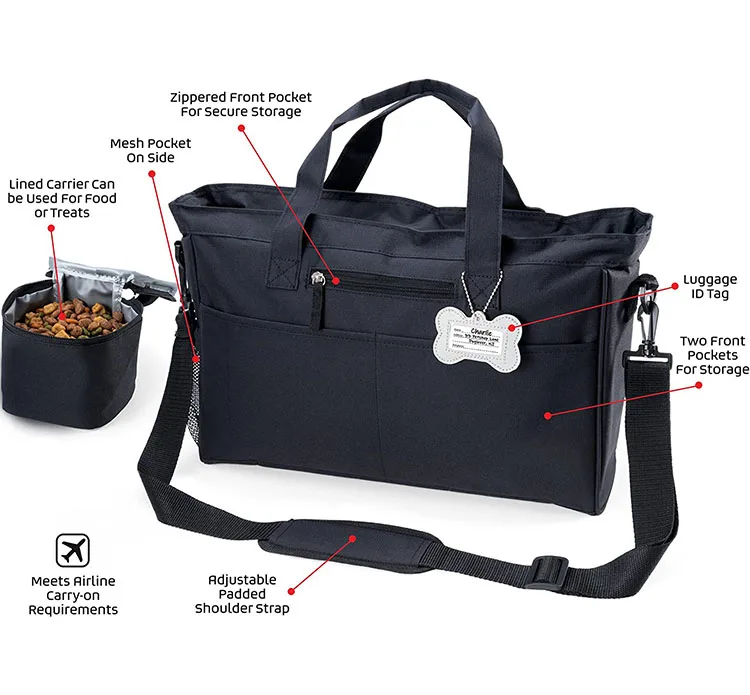
Wedding pet bags carry the highest personalisation demand of any category in the assortment, and personalisation is where otherwise competent buyers lose money. The economics are driven by setup rather than by stitch count, and the operational consequence is that a personalised unit is non-returnable and non-transferable, which converts a forecasting error into a total write-off.
Embroidery setup runs as a programming charge per design plus a per-unit running cost, and the programming charge does not amortise across small orders. A name-and-date design costs the same to program whether fifty units or five hundred units are produced, which means personalisation at low volume carries a per-unit burden that can exceed the value of the trim itself. Buyers should ask for the programming charge and the running cost to be quoted separately, because a blended quote hides the problem.
The structure that works is a two-stage personalisation. The base unit carries a generic premium element, either an embroidered wordmark or a plain panel, and the personalisation is applied as a separate patch or as a destination-country operation. This keeps the production run standard and moves the variable element to the party with the best demand information. It adds labour cost in the destination country, but it removes the write-off exposure entirely, which on a premium unit is the larger number.
Where personalisation is done at production, the specification should define the font, the stitch type, the thread and the placement tolerance explicitly. Wedding customers notice a font substitution. Our production team requires a signed digital embroidery proof before bulk stitching, and buyers should insist on the same, because an approved artwork file does not guarantee an approved stitch file and the two are different documents.
Lead time is the final consideration. Personalisation adds five to eight days to the bulk schedule when done at production, and it adds nothing when the base unit is produced in advance and finished later. For a category where the event date is known months ahead, the advance-production approach is clearly superior.
Cost Structure and Price Bands for Premium Occasion Units
Premium occasion units have a cost structure that looks unfamiliar to a core-category buyer. Fabric is a smaller share of the total, finishing and presentation are larger, and the fixed costs of setup and testing are spread over fewer units. Understanding that shape is what allows a buyer to price the unit correctly rather than by analogy with the core assortment.
On a typical structured ivory carrier at the middle of the band, fabric and lining account for roughly a quarter of FOB, trim and hardware for a fifth, cutting and sewing labour for around a quarter, and finishing, presentation and quality control for the remaining thirty percent. The finishing share is roughly double what it would be in a core category, and it is the direct consequence of the pale-colour handling requirements and the presentation standard.
FOB Xiamen bands for the category run USD 5.80-11.40 as shown earlier. Landed cost adds sea freight at roughly sixty to ninety cents per unit, because premium units are bulkier and pack less densely than core units, plus duty and destination handling. The resulting landed cost supports retail price points from USD 39.99 for the ring-bearer tote to well above USD 100 for the presentation box, which is where the wedding gift market comfortably sits.
Margin structure should be planned around the one-time-purchase reality. Because there is no repeat, the buyer has to recover development, sampling, testing and setup cost from a single season, and the convention our production team suggests is to load the first season with the full fixed cost rather than amortising it against an assumed reorder. A programme that appears profitable only under a reorder assumption is not a profitable programme in this category.
The pricing lever that works is presentation rather than construction. Moving from a polybag to a rigid presentation box costs a couple of dollars and supports a retail increase several times larger, because the purchase is emotional. Moving from a good shell to a marginally better shell costs a similar amount and supports almost no retail increase, because the customer cannot evaluate shell specification in a photograph.
MOQ and Assortment in a One-Time-Purchase Category
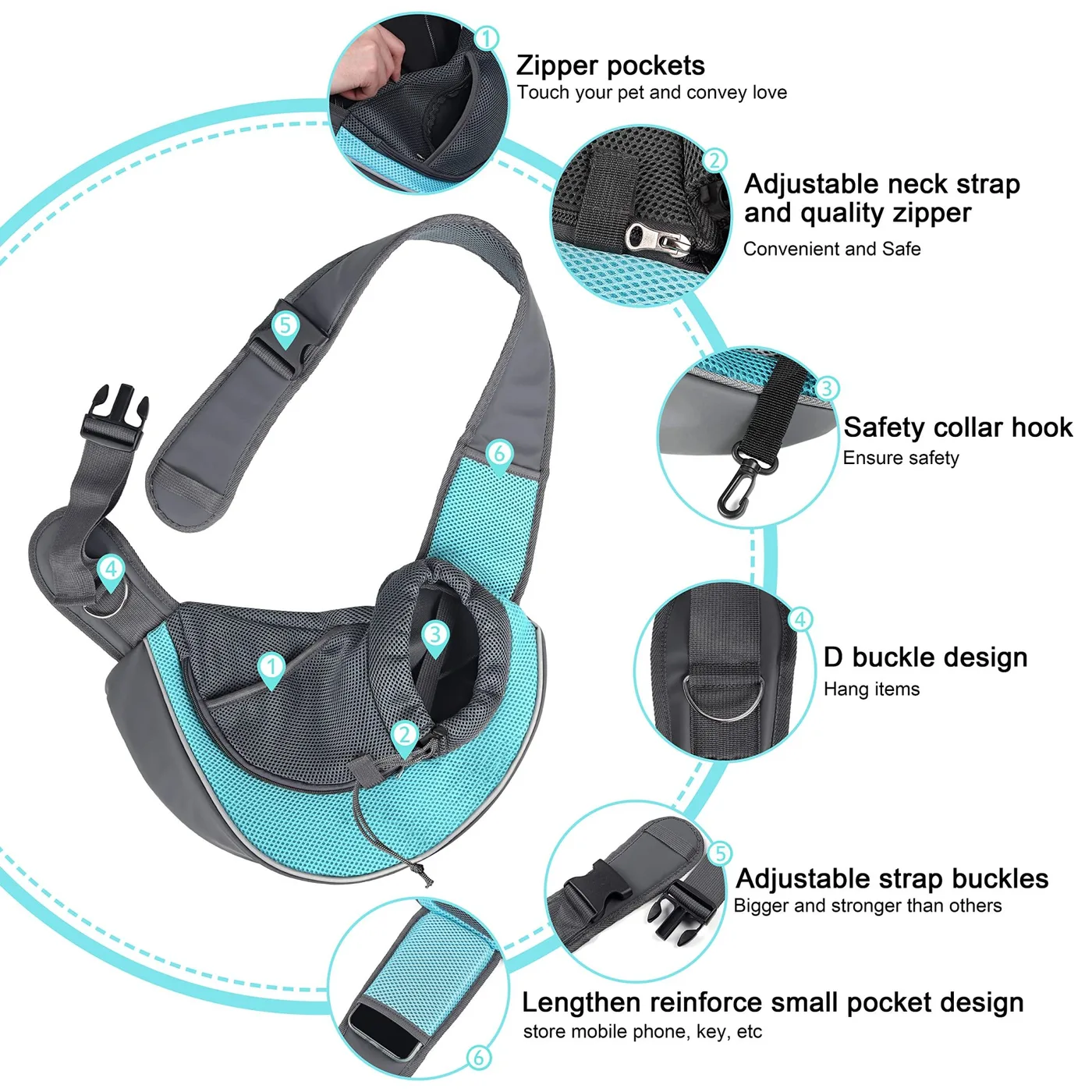
MOQ is 500 pieces per colourway, and in a category with no repeat purchase that number is a genuine commitment rather than a technicality. The question to resolve before quotation is how much of the assortment can be shared across occasions, because a wedding-only shell is a one-shot asset and a shared shell is a reusable one.
The recommended structure mirrors the approach used across occasion categories: a neutral premium shell in ivory or champagne, with occasion-specific finishing components. An ivory structured shell sells into wedding, anniversary, christening and formal-gift placements, which means the five hundred piece commitment supports four occasions instead of one. The occasion components carry a one hundred to one hundred fifty piece minimum each and cost a fraction of the shell.
Colourway strategy should be minimal. Two colourways at most: ivory and a single accent, usually a soft grey or a muted blush. A third colourway in this category is almost always a mistake, because the pale palette is the category and adding a mid-tone dilutes the merchandising message without adding volume.
Size strategy differs from other occasion categories because wedding buyers are less price-sensitive and more size-sensitive: the unit has to fit the specific pet. Two sizes, a small and a medium, cover the overwhelming majority of the demand, and a large size is rarely worth the commitment. Buyers who need breadth should offer two sizes rather than three colourways, because the sizes serve different customers while the colourways compete with each other.
Buyers should also plan the markdown path before the season rather than after it. In a no-repeat category, unsold premium stock does not benefit from a later selling window, and the two realistic exits are a re-finish into another occasion or a discount into an off-price channel. A shell designed with a removable occasion component supports both; a shell with the occasion woven into the fabric supports neither. That design decision, taken at quotation stage, is worth more than any price concession a buyer can negotiate later.
The final MOQ consideration is the reorder question, which in this category has a different answer than in seasonal ones. Because events are scheduled in advance, a reorder is viable if the buyer has visibility of the event calendar, and our production team holds shell inventory against a standing programme precisely so that a second event season can be served from stock rather than from a new dye lot, which also solves the shade continuity problem.
Calendar and Logistics for an Event-Driven Order
The wedding category has the most forgiving calendar of any occasion in the assortment, and buyers should use that advantage deliberately rather than defaulting to a compressed schedule. Event dates are known three to twelve months in advance, which means the production cycle can be planned around capacity rather than around a deadline, and sea freight can be used instead of air in every case.
Standard timing applies: sampling at 6-10 working days from confirmed artwork and colour standard, bulk at 35-50 days, sea freight at 28-35 days to a US West Coast distribution centre. That is a total cycle of roughly seventy-five to ninety-five days, which is comfortably inside the planning horizon of the end customer. There is no structural reason for a wedding programme to require air freight, and the two to three dollars per unit that air freight would add is pure margin destruction.
The one calendar risk is the peak wedding season itself. Northern hemisphere demand clusters from May through September, and buyers serving that window should have goods at the distribution centre by April. Working backwards, the purchase order belongs in January and the artwork conversation in December, which puts the development cycle inside the preceding year and is why our production team discusses wedding programmes well before the season.
Freight mode should be sea, and packaging density deserves attention because premium units pack poorly. A structured carrier with a rigid presentation box can occupy two to three times the cube of a flat-packed core unit, which raises freight per unit substantially. Buyers should ask for the packed carton dimensions and the container utilisation figure at quotation stage, because freight per unit on a premium programme can otherwise exceed a dollar and quietly remove the margin advantage the price point created.
Storage at destination is the last logistics consideration. Pale units should not be held in a hot warehouse through summer, and the master carton should carry a humidity indicator. Buyers with a long holding period should plan climate-controlled storage, because yellowing in a warehouse is a category-specific loss that no inspection at origin can prevent.
Compliance and Packaging Standards for Bridal Channels
Bridal and formal gift channels apply documentation standards that sit between general merchandise and luxury, and the gap is mostly in presentation and traceability rather than in chemical compliance. A bridal buyer will ask for a material declaration, a test report and a packaging specification, and will expect the packaging specification to be met exactly rather than approximately.
Chemical compliance follows the standard component list. Satin linings, faux leather trim, dyed bows and plated hardware each need a declaration, and pale fabrics in particular should carry a recognised textile certification because the finish chemistry is more complex than on a plain shell. The OEKO-TEX standard is the single document that satisfies most bridal and formal gift buyers in one pass, and it is cheaper than screening every finish individually.
California destinations add a Prop 65 layer on the plated hardware and any coated trim, with safe harbour levels published by the California Office of Environmental Health Hazard Assessment. Where the unit is marketed with child appeal, which happens in ring-bearer positioning, children's product limits published by the CPSC should be applied. For the majority of wedding programmes the adult-gift positioning is correct and the CPSC framework does not apply.
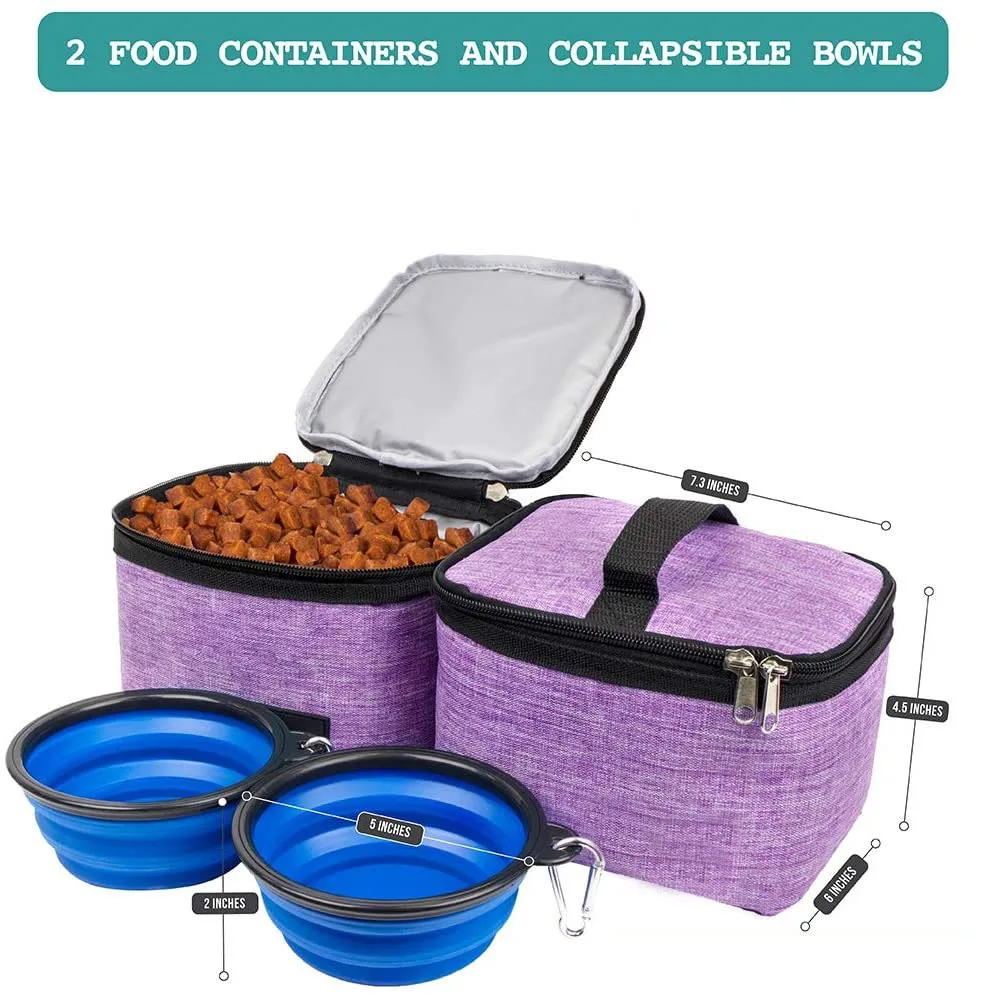
Packaging is where bridal channels are strictest. A rigid or semi-rigid presentation box, tissue interleaving, a card, and a defined outer carton are standard. Carton weight ceilings matter because bridal stock is often handled in smaller distribution operations, and a carton above fifteen kilograms creates manual handling issues that generate chargebacks. Country-of-origin marking and a tracking label remain mandatory, and the barcode allocation should be confirmed before production rather than after.
Verification should be independent and should include a packaging check, not only a product check. A recognised body such as SGS can run pre-shipment inspection against the approved packaging specification, which catches the mismatch between an approved sample box and a substituted production box, an error that is common and entirely avoidable.
Supplier Scorecard for Premium Occasion Programmes
Premium occasion programmes weight defect avoidance above everything else. Shade and soiling control carries twenty-five percent of the scorecard, finishing quality carries twenty percent, presentation accuracy carries fifteen percent, calendar reliability carries fifteen percent, documentation carries fifteen percent, and price carries ten percent. Price sits last because in a category where the customer is paying a premium for a photographed moment, a cheaper unit that soils in handling has negative value.
Shade control earns the top weighting because it is the defect that cannot be fixed after the fact. A unit that arrives with the wrong shade is either sold at a discount or written off, and in a one-time-purchase category there is no later shipment to average against. Buyers should require a signed shade band, a stated illuminant, and a retained reference sample held by both parties.
Quality gates are fixed at AQL 2.5 under general inspection level II with zero tolerance for critical defects, and the major-defect tolerance on shade deviation and soiling should be tightened for this category. A practical approach is to classify any visible soiling on a pale panel as a major defect regardless of size, which is a stricter classification than most general inspection worksheets apply and is appropriate for the category.
Presentation verification closes the loop. The pre-shipment inspection should include the packaging as a line item, checking box specification, interleaving, card placement and carton weight against the approved sample. Independent inspection through a recognised body such as SGS is recommended, and the production base behind this programme holds BSCI social compliance and ISO 9001 quality management across 4,950 square metres, 137 staff, 7 lines and 149 machines at 200,000 pieces per month. Terms are T/T 30/70 against FOB Xiamen with the balance released against the passed inspection report.
Production capability
- SGS-verified production space of 4,950 m², 149 machines, 7 assembly lines
- Pet bag output since 2014 from a 137-person team
- 200,000 units shipped monthly under BSCI and ISO 9001 systems
People Also Ask
Why are wedding pet bags more expensive than other occasion bags?
Because the premium elements are genuinely costlier and far more defect-sensitive. Pale fabrics need clean-line handling, presentation packaging adds cube and cost, and finishing is roughly double the share of a core unit.
How do I stop ivory pet bags yellowing in storage?
Specify the packaging material, add a humidity indicator to the master carton, give the retailer shelf-life guidance, and avoid hot-warehouse storage through summer.
Is personalisation worth it on wedding pet bags?
It supports the price point but creates non-returnable inventory. The safer structure is a generic premium base unit with personalisation applied as a separate patch or at destination.
What sizes should a wedding pet bag programme cover?
Two sizes, small and medium, cover most demand. Buyers needing breadth should add a size rather than a third colourway, because sizes serve different customers while colourways compete.
Can an ivory shell be used for other occasions?
Yes, and it should be. One neutral premium shell supports wedding, anniversary, christening and formal gift placements, which is the main way to justify the minimum in a no-repeat category.
What retail price can a wedding pet bag support?
From USD 39.99 for a ring-bearer tote to above USD 100 for a presentation box. Presentation upgrades support retail increases several times their cost; construction upgrades do not.
Frequently Asked Questions
What is the MOQ for a wedding pet bag?
MOQ is 500 pieces per colourway. The recommendation is a neutral ivory or champagne shell shared across wedding, anniversary and formal gift placements, with occasion components at one hundred to one hundred fifty pieces each.
How long does sampling take?
Sampling takes 6-10 working days once artwork, the signed shade band and the finishing specification are confirmed. A digital embroidery proof should be approved separately from the artwork file.
What is the bulk production lead time?
Bulk runs 35-50 days. Personalisation applied at production adds five to eight days; producing the base unit in advance and finishing later adds nothing to the schedule.
Why do ivory and champagne shells cost more to handle?
Pale panels show production soiling, shade drift between dye lots, and storage yellowing, none of which appear on mid-tone fabrics. Clean-line scheduling, a signed shade band and specified packaging materials are required.
What does a wedding pet bag cost FOB?
FOB Xiamen bands are USD 5.80-7.10 for a ring-bearer tote, USD 6.90-8.50 for an embroidered keepsake sling, USD 7.40-9.10 for a structured ivory carrier and USD 9.20-11.40 for a presentation box at MOQ 500 per colourway.
How much does personalisation add?
Embroidery programming is a fixed charge per design and does not amortise at low volume, so personalised units carry a high per-unit burden. A separate patch or destination-country application removes the write-off exposure.
Which inspection standard applies?
AQL 2.5 at general inspection level II with zero tolerance for critical defects. For this category any visible soiling on a pale panel should be classified as a major defect regardless of size.
Do wedding pet bags need children's product testing?
Only where the unit is marketed with child appeal, which can happen in ring-bearer positioning. Standard adult-gift positioning does not bring CPSC children's product limits into scope.
When should the order be placed for the May to September season?
Goods should be at the distribution centre by April, which puts the purchase order in January and the artwork conversation in December of the preceding year.
Is air freight ever justified in this category?
Rarely. Event dates are known months ahead, so there is no structural reason to pay two to three dollars per unit for air. Sea freight should be the default.
How should storage be handled for pale units?
Master cartons should carry a humidity indicator and pale stock should not be held in a hot warehouse through summer. Phenolic yellowing is a chemistry problem that no inspection at origin can prevent.
Should the first season carry all fixed costs?
Yes. Because there is no repeat purchase, development, sampling, testing and setup cost should be recovered from a single season rather than amortised against an assumed reorder.
Talk to QUANZHOU JUNYUAN BAGS about a wholesale pet bag order: MOQ 500 pieces per colourway, samples in 6-10 working days, bulk production in 35-50 days under AQL 2.5 inspection.
Get a free quote Request a sample