Nylon Fabric: Lightweight and Strong
Nylon delivers roughly 30-40% more tensile strength than polyester at the same fabric weight, so a 420D nylon shell passes the same load test as a heavier 600D polyester shell while cutting 80-140 g from every unit. Choose nylon when grams per piece drive your freight bill or when the panel has to survive claw abrasion for years. It costs 12-20% more per metre, and it needs a UV-stable finish to stop chalking in sun-exposed retail windows.
Executive summary. Nylon is the structural choice whenever a pet bag body has to hold shape under a 10-15 kg animal without adding grams. Our production team quotes nylon shells at three specification tiers - 210D ripstop linings, 420D semi-dull shells and 840D ballistic bases - and the tier you pick moves both unit cost and the abrasion cycle count written into the purchase order. Every quotation assumes MOQ 500 pieces per colourway, ideally split across two or three sizes inside one style so smaller sizes do not carry their own colour run.
Sampling runs 6-10 working days after the tech pack is frozen, and bulk production takes 35-50 days once the sealed sample is signed, because coating cure time and lab-dip approval sit inside that window rather than after it. Shipments clear pre-shipment inspection at AQL 2.5 with critical defects at zero tolerance, and a written abrasion report accompanies the first bulk lot so your QC team has a baseline for reorders. Price breaks land at 2,000 and 10,000 units per order, where fabric booking volumes start to compress the metre cost from the mill.
Pet bag sample cost is normally credited against the first production order, which makes Material & Technology review the expensive step rather than the sampling itself. Pet carrier sample cost rises with hardware changes, so lock the hardware before the second sample round.
Why nylon leads the strength-to-weight table
Every pet bag programme starts with the same physical problem: the shell has to carry a live animal, resist claws and survive being dragged across a car boot floor, yet the finished parcel still has to clear an air-freight or parcel-rate weight breakpoint. Nylon solves that equation better than any commodity fibre in the same price band, because its filament has higher tenacity than polyester at identical yarn counts. In practical terms a 420D nylon body panel will reach the same grab-test strength as a 600D polyester panel, and it does so with 15-25% less mass per square metre.
That weight saving compounds through the rest of the bill of materials. A lighter shell permits a lighter webbing, a smaller frame sheet and thinner edge binding, because each supporting component is sized against the load it has to stabilise rather than against a fixed category habit. Across a three-size backpack run we typically see 60-120 g trimmed per unit once nylon replaces polyester throughout the body, and on a 20,000-unit air shipment that translates into tonnes of chargeable weight removed from the freight invoice.
The second benefit is abrasion behaviour. Nylon filaments are smoother and more resilient under repeated rubbing, which is why nylon survives the abrasive contact points that kill cheaper bags first: the base panel dragged over pavement, the shoulder strap edge rubbing a jacket, and the interior corners where a dog circles before settling. Buyers who switch from polyester to nylon on the base panel alone usually see field returns for corner wear fall by a measurable margin within two seasons.
There is a trade-off to manage honestly. Nylon absorbs slightly more water than polyester, so unfinished nylon gains mass in humid conditions and dries more slowly, and unstabilised nylon chalks and loses strength under prolonged UV exposure. Both issues are engineering problems with known solutions - a durable water-repellent finish handles moisture pickup, and a UV-inhibitor package in the finish or a laminated backing film handles sunlight - but both add cents per metre that must appear in the costing sheet, not appear later as a claim.
For wholesale buyers the decision rule is simple. If your programme ships by air, sells into a premium channel where return rates matter, or uses thin panels near the weight limit, nylon earns its premium. If your units move by sea into a price-driven channel, polyester often remains the rational choice, which is why we keep both specifications live for comparison.
Weight also changes how a product is reviewed. Customers notice immediately whether a bag feels heavy for its size, and that impression is formed before any feature is evaluated. Because nylon is typically the lightest route to a given strength target, it protects the first physical impression a customer forms, which in turn lowers the share of returns filed under general dissatisfaction rather than under a specific defect.
Denier, filament count and weave: reading a nylon spec sheet
A supplier quotation that simply says "nylon" is not a specification, it is a category label, and quotations written that way are the single most common source of mismatched reorders. A usable nylon line item names denier, filament structure, weave, finish and finish method, plus the quantified test target each one is expected to meet. Anything less leaves the mill free to substitute a cheaper yarn whenever your fabric is rebooked.
Denier describes yarn mass per fixed length, so higher denier means thicker yarn and generally stronger fabric, but the weave matters just as much. A 420D plain weave and a 420D ripstop behave very differently at the point of failure: ripstop interposes a reinforcement grid that arrests a tear once it starts, which turns a catastrophic split into a contained hole. For pet bags where a claw can start a puncture, ripstop linings are cheap insurance.
Filament count changes the hand and the cost. A 210D/36f yarn feels finer and drapes better than a 210D/12f yarn at similar strength, but coarser filaments give a crisper body that holds the panel shape on structured designs. Our production team quotes both variants because the difference is usually under 4% of the fabric line but materially changes how the finished bag photographs on a product page.
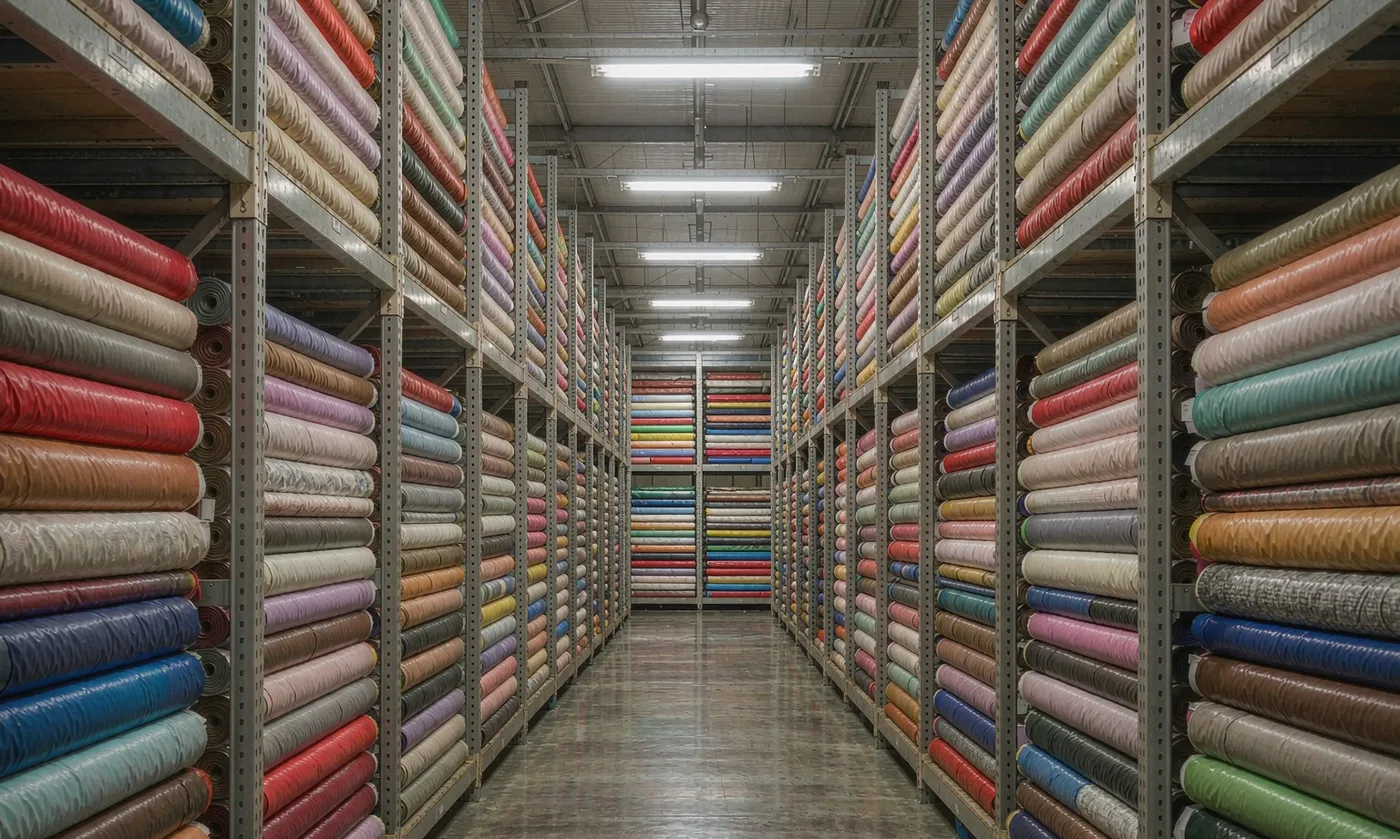
Nylon specification tiers used in pet bag programmes
The tier you select should follow the stress map of the design, not habit. Panel-wise specification - ballistic nylon on the base, 420D semi-dull on the sides, 210D ripstop in the lining - routinely costs less overall than running one heavy fabric throughout, while performing better where it actually matters.
Buyers should also ask for the filament evenness data implicit in any yarn specification. Uneven filaments concentrate stress at irregular points and produce premature failure under cyclic loading, which is exactly what a bag experiences when an animal shifts weight repeatedly during a walk. Because this behaviour is invisible in a static strength test, specifying both a minimum grab strength and a minimum abrasion cycle count catches the problem that neither alone would reveal.
Specification tiers and what they cost
The table below reflects the four nylon specifications most often quoted for pet bag programmes, with the technical targets our production team writes into the tech pack and the indicative cost relationship between them. Cost index is relative, anchored at 1.00 for 420D semi-dull with a standard PU coating, because absolute fabric pricing moves with polymer markets every quarter.
| Specification | Typical GSM | Where it goes | Test target written into the PO | Cost index |
|---|---|---|---|---|
| 210D ripstop nylon | 60-75 gsm | Linings, stuff sacks, dust bags | Tear 12 N minimum; no propagation past reinforcement grid | 0.72 |
| 420D semi-dull nylon | 150-180 gsm | Body panels, backpack shells | Tensile 900 N grab minimum; Martindale 30,000 cycles minimum | 1.00 |
| 840D ballistic nylon | 300-360 gsm | Base panels, wheel bags, sling bottoms | Abrasion 50,000 cycles minimum; seam slippage 4 mm maximum | 1.68 |
| 1680D coated nylon | 520-620 gsm | Heavy travel bases, kennel covers | Hydrostatic head 1,500 mm minimum; puncture 60 N minimum | 2.35 |
Two practical notes on reading this table. First, GSM within a denier band varies widely by mill, and low-GSM versions of a given denier usually mean fewer filaments or a looser weave, both of which erode abrasion life. Second, the test target column is the real contract; two mills quoting "420D nylon" to different test targets are not quoting the same product, regardless of identical labelling.
When we cost a programme, this table is populated with actual quotes from two booking sources before any price is given to the buyer, because the gap between the cheapest and the most consistent nylon source at the same denier frequently reaches 15% - and that gap shows up later as shade variation between reorders.
A practical sourcing discipline follows from that table: never allow a single through-thickness upgrade to substitute for a stress map. Walking a design component by component - where does the animal's weight sit, where does the bag contact the ground, where does a strap edge rub clothing - identifies perhaps three areas that genuinely need the expensive fabric, leaving the rest available for cost reduction. This review takes an hour and consistently saves more than any fabric negotiation.
Coatings and finishes that decide whether nylon survives a season
Uncoated nylon is rarely sold into pet applications, because the base fabric alone does not stop water ingress, does not resist staining and offers little protection against the oils and salts a pet brings into contact with the panel. The finish layer is where most of the functional performance lives, and it is also where most cost disputes originate.
Polyurethane coating is the default. A single-sided PU coating at 20-30 gsm gives water resistance adequate for splash and light rain without stiffening the hand, while a two-pass build takes the fabric toward genuinely waterproof territory at the cost of flexibility and about 8-12% more fabric spend. Polyvinyl chloride coating is cheaper per metre and fully waterproof but heavier, stiffer and increasingly restricted by retailer chemical policies in Europe, so we present it as an option only when the buyer's compliance team has cleared it.
On top of the coating sits the durable water-repellent finish, the chemistry that makes water bead rather than wet the surface. Standard C6 fluorocarbon-free DWR is now the default for European programmes, and it is noticeably less durable than legacy C8 chemistry: expect 20-25 home launderings before beading degrades rather than 40-50. Buyers selling into premium channels should budget for a renewable-finish claim in their care instructions rather than implying permanent performance. Test methods for water repellency and hydrostatic resistance are standardised by organisations such as AATCC, whose test methods are the common reference written into technical packs.
Finally there is the UV package. Nylon exposed through a retail window or left in a car loses tensile strength measurably over a single summer if it is unstabilised. Adding a UV absorber to the finish, or specifying a pigmented rather than solution-dyed bright shade, typically costs a few cents per metre and prevents the chalky fade that generates the most common appearance complaint we see on returned shell panels.
Specifying finish durability in writing also protects your care instructions. If a product page promises easy cleaning, then the finish must tolerate repeated wiping with mild detergent, which is a specific requirement rather than an implied one. Our team tests finished specimens after repeated surface cleaning so both the marketing claim and the specification stay aligned.
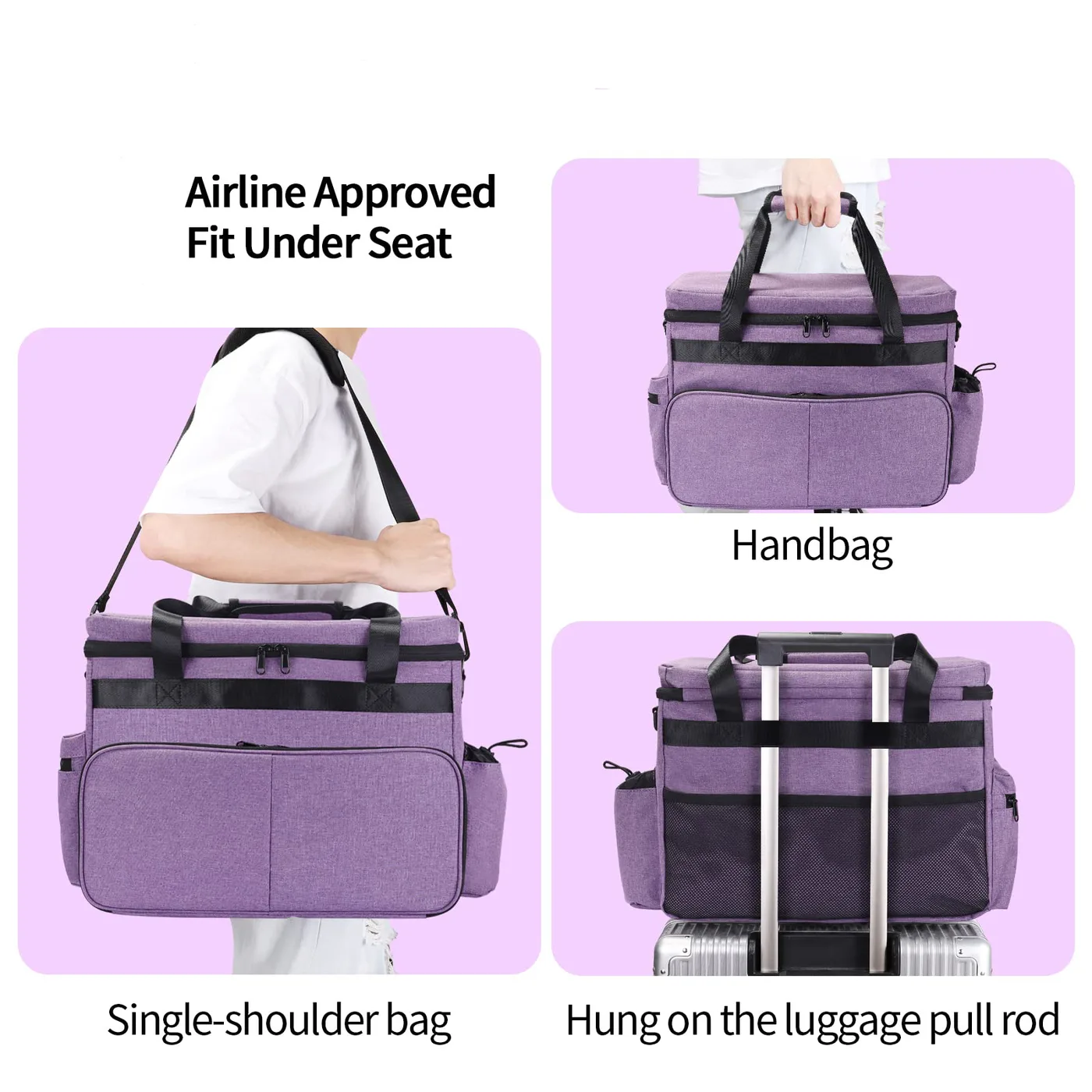
Abrasion, tear and seam numbers a buyer should put in writing
Material choice is only half of durability; construction multiplied by material is what the customer receives. Three numbers belong in every nylon pet bag specification because they cover the three ways a bag actually fails in the field: surface wear from rubbing, tear propagation from a claw or a snag, and seam failure where the panel is stitched to webbing or binding.
Abrasion resistance is normally reported as cycles to yarn break under a defined load, and the meaningful part of the report is the load and the endpoint definition, not the headline number. A Martindale result quoted without load and failure criteria is unusable for comparison. Our standard abrasion protocol for body panels specifies cycles to end point with photographic evidence at three checkpoints, so a downward drift between lots is visible before it reaches the retail floor.
Tear strength matters most for the interior. Animals scratch at linings, and once a lining tears the filling migrates and the bag becomes unsellable even though the exterior looks intact. Specifying a ripstop lining with a written minimum tear value is a small line item that removes an entire class of return. American buyers frequently standardise on ASTM International test methods so their own laboratory can duplicate the result, and we quote to whichever method family the buyer's QC team already uses.
Seam performance is the third pillar and the one most often omitted. A strong fabric with a weak seam fails at the seam. Written requirements should cover seam slippage in both warp and weft, stitch density per centimetre, and seam strength as a percentage of fabric strength - if your seam achieves less than roughly 70% of the fabric's own strength, the expensive fabric you specified is not the component that will fail first.
Warranty economics make these numbers commercially relevant rather than merely technical. When a bag fails early, the cost is not just the replacement unit but also the return handling, the reputational damage in reviews and, for marketplace sellers, the ranking penalty that follows from elevated return rates. A few cents per metre spent on verified abrasion performance is routinely the cheapest insurance available in the category.
Cost structure: what nylon does to unit price
Fabric is typically 22-34% of the FOB cost of a mid-tier pet bag, so a 12-20% fabric premium does not translate into a 12-20% unit premium - it usually lands as a 4-7% increase on the ex-works price. Understanding that arithmetic matters because it changes whether nylon is worth specifying, and it is the number most buyers misjudge before they ask for a quotation.
The rest of the cost stack behaves predictably. Trims, hardware and labour do not change when you switch from polyester to nylon, although labour can move slightly: high-denier coated nylon is stiffer and slower to feed through a needle, and finish-heavy laminates punish needle heat, so very heavy specifications may carry a small labour surcharge reflected in the per-minute output of the line rather than in the fabric line.
Volume economics work harder on nylon than on commodity polyester because mills price nylon booking lots less flexibly at small quantities. The MOQ 500 pieces per colourway threshold exists largely to clear a usable fabric booking; below it, mill minimums and cutting waste together can push the fabric cost per unit up sharply. Consolidating colourways across sizes in one order, or accepting a mill-stock shade instead of a custom lab dip, are the two levers that remove the most cost for first-time programmes.
Freight interacts with fabric choice in a way that deserves explicit modelling. Air freight pricing follows chargeable weight, so a lighter shell can shift an entire shipment into a cheaper bracket; sea freight pricing follows volume, where lightweight packing has no advantage. Our team quotes both scenarios routinely, and buyers are often surprised how much the decision changes once the actual shipping method is fixed rather than assumed.
Tooling and trims also deserve attention in the comparison. Because nylon programmes often run in premium channels, hardware specification frequently rises alongside fabric quality, which can move total cost more than the fabric decision itself. Keeping those two discussions separate prevents the common mistake of attributing a hardware-driven cost increase to the material.
Compliance: REACH, OEKO-TEX and how nylon shipments are cleared
Nylon is a synthetic polymer and attracts the same chemical documentation burden as any textile: residual monomers, finishing auxiliaries, dyes and any coating solvents all sit inside scope for restricted-substance regimes. Buyers shipping into Europe are responsible for placing compliant product on the market, so the practical question is who holds the test reports and how current they are.
The European chemical regime administered by ECHA governs restricted substances in articles, and our material declarations are built around those candidate lists. For a nylon shell with a PU coating, the highest-risk items are historically plasticisers and solvent residues in the coating rather than the yarn itself, which is why we source coating chemistry from mills that hold current declarations rather than accepting a generic mill statement.
OEKO-TEX certification is the labelling shortcut most European and many North American retailers accept as evidence of restricted-substance testing. Reference material is published by OEKO-TEX, and requesting certification per component rather than per finished bag is normally sufficient for customs and marketplace checks. Insisting on certificate numbers on every quotation, with expiry dates visible, costs nothing and prevents the awkward discovery at clearance that a supplier's documentation expired nine months ago.
United States programmes add California Proposition 65 exposure and CPSIA lead and phthalate limits where applicable. None of these requirements are obstacles for correctly specified nylon; they become obstacles when a quotation is won on price by a vendor who substituted untested coating chemistry and cannot produce paperwork when your retailer asks.
Request certificate numbers rather than certificate logos. A logo on a specification sheet demonstrates nothing about current validity, whereas a certificate number can be checked against the issuing body's register in minutes. Buyers adopting that habit discover that a meaningful share of supply documentation in this category has either expired or was issued for a different product scope.
Failure modes we catch before bulk, not after
A pre-production sample review exists to find predictable problems while they are still cheap. Four failure patterns account for most nylon issues we see when a buyer brings us a programme that failed elsewhere, and each has a specific check during sample approval rather than after container loading.
- Shade drift between panels. Body fabric from one dye lot and base fabric from another rarely match across a season. Require panels from a single dye lot in the sealed sample and record the lot number.
- Coating delamination. Poor adhesion between coating and face fabric shows as bubbling after flexing. A simple warm flex test in sampling reveals it; a container reveals it too late.
- Needle damage on high-denier fabric. Heavy coated nylon punishes dull needles, producing heat-cut holes along the stitch line that later tear open. Stitch density and needle gauge belong in the tech pack.
- Hydrostatic shortfall after finishing. Seam sealing and DWR interact; a panel can pass as fabric and fail as a sewn assembly. Always test the seam, not only the swatch.
Catching these four in sampling costs days. Catching them after distribution costs the order, the relationship and usually the listing, because marketplace returns aggregate publicly.
A fifth pattern, less common but more expensive, is mismatch between coating and thread lubricant, which can produce seam puckering that appears weeks after production rather than at inspection. Because Delay reveals this only in warehouse conditions, we recommend inspecting a random case from the first shipment after two weeks of storage before releasing the balance of the order.
Writing the nylon line into your tech pack
The most productive thing a buyer can do before requesting a quotation is write one precise paragraph per fabric component. It should name the fibre, denier and filament structure, weave construction, GSM tolerance, coating type and weight, finish requirements, colour reference with acceptable tolerance, and the quantified test target with its method. This paragraph is the artefact that makes two quotations genuinely comparable.
Then add the commercial clauses that protect delivery: fabric booking confirmation before the sample is cut, lab-dip approval on a physical standard rather than a screen, and a retained reference swatch signed by both parties. Our production team works from these documents at every stage, with sampling in 6-10 working days and bulk in 35-50 days once everything is frozen, because time lost to late material decisions is the component nobody prices and everybody pays for.
Buyers comparing fabric families can read our companion notes on polyester fabric economics and pet bag material selection alongside this one; the three documents together usually settle the material question before any costing begins.
Finally, agree what happens when a parameter cannot be met. Either the supplier substitutes to an equal or better standard with written approval, or the shipment waits. Programmes that leave this undecided tend to discover an unauthorised substitution at the worst possible moment, usually when goods are already on the water and the commercial pressure to accept them is overwhelming.
Order and quality terms
- MOQ 500 pieces per colourway; samples in 6-10 working days
- Bulk production 35-50 days after approval; AQL 2.5 inspection standard
- T/T 30/70 terms, FOB Xiamen, full document set per shipment
People Also Ask
What is the best nylon denier for pet bags?
420D for shells, 840D ballistic for bases and wear points, and 210D ripstop for linings. This three-tier split costs less than running one heavy fabric throughout and performs better where loads actually concentrate.
Does nylon absorb water?
Nylon absorbs more moisture than polyester, typically in the low single-digit percentage range by weight, which is why a durable water-repellent finish is standard. Finished panels shed surface water and dry reasonably quickly.
How strong is nylon fabric compared with canvas?
Nylon has far higher tensile strength per gram than cotton canvas, though canvas resists puncturing differently and offers a natural aesthetic that many buyers prefer for fashion-led programmes rather than load-led ones.
Can nylon fabric be recycled?
Recycled nylon from post-industrial waste and recovered fishing nets is commercially available and widely used at equivalent performance to virgin nylon, usually at a modest premium and with documentation requirements.
How do I stop nylon pet bags failing at the seams?
Specify seam slippage limits, stitch density and minimum seam strength as a percentage of fabric strength, then test the sewn assembly rather than only the flat swatch. Weak seams fail before weak fabric.
Is nylon safe for pets inside a bag?
Correctly specified nylon with compliant coatings and finishes is standard across the category. The relevant checks are restricted-substance declarations for the coating and adequate ventilation in the design itself.
Frequently Asked Questions
Is nylon stronger than polyester in pet bags?
Yes at equal weight. Nylon filament has higher tenacity, so a 420D nylon panel typically meets or exceeds the grab strength of a heavier 600D polyester panel while weighing 15-25% less per square metre. The practical benefit is a lighter bag that still passes the same load specification.
What denier should I specify for a pet backpack shell?
420D semi-dull nylon is the working default for body panels on medium backpack formats, with 840D ballistic reserved for base panels and wear points. Light sling styles for small animals can run 210D ripstop for weight reasons provided the stress map supports it.
How much does nylon add to unit cost?
Nylon fabric typically carries a 12-20% premium per metre over comparable polyester, but fabric is only 22-34% of FOB cost, so the landed effect on ex-works price is usually around 4-7%. Heavy coated or ballistic variants sit at the top of that range.
Does nylon fade in sunlight?
Unstabilised nylon chalks and loses tensile strength under prolonged UV exposure. Specifying a UV absorber in the finish, or choosing darker pigmented shades, adds a few cents per metre and prevents most fade complaints, particularly for products displayed in windows.
Can nylon be made fully waterproof?
Yes, either through a heavier PU coating build, a PVC coating or a laminated film, combined with seam sealing. Note that waterproofing stiffens the hand and adds weight, and seam sealing adds labour cost, so specify it only where function requires it.
Is ripstop nylon worth specifying for linings?
Almost always yes. Claw damage starts a tear in linings, and a ripstop reinforcement grid stops propagation, turning what would be a failed unit into a small cosmetic mark. The cost difference over plain lining nylon is minor.
Which test method families do you quote against?
We quote to whichever family the buyer's QC team already operates, commonly AATCC for colour and water behaviour and ASTM for tensile and tear. What matters more than the family is that the PO states the method, load and endpoint so both laboratories can reproduce the result.
What chemical documentation comes with nylon shipments?
Material declarations against restricted substance lists, OEKO-TEX evidence where requested, and coating-specific declarations from the mill. California Prop 65 and CPSIA statements are prepared for US-bound programmes when the buyer specifies the destination in advance.
How does MOQ interact with fabric choice?
The 500-piece minimum per colourway largely reflects the mill's minimum booking quantity for a given fabric and shade. Exotic deniers, custom colours and heavy ballistic weaves sometimes carry higher fabric minimums, which we flag before the order is confirmed.
Does sampling time change with heavy nylon specifications?
Sampling stays within 6-10 working days for most specifications. Excessively heavy coated fabrics can add a day or two because of cutting and needle set-up, and any custom lab dip runs in parallel rather than extending the schedule.
Is solution-dyed nylon available for large programmes?
Solution-dyed nylon appears when a single colourway runs at high volume, because colour is locked into the filament during extrusion. It offers excellent light and wash fastness but requires mill commitment well above standard MOQ levels.
How do you control shade consistency across reorders?
By retaining a signed reference swatch with its dye lot number, then requiring the mill to match that physical standard rather than a digital file. Panels for one unit come from a single dye lot wherever the cutting plan allows it.
Talk to QUANZHOU JUNYUAN BAGS about a wholesale pet bag order: MOQ 500 pieces per colourway, samples in 6-10 working days, bulk production in 35-50 days under AQL 2.5 inspection.
Get a free quote Request a sample