Oxford Fabric: Durable and Waterproof
Oxford names a basket weave, not a performance level, so a bulk order has to state denier, finished weight, coating type and the two test numbers that matter: hydrostatic head above 1,500 mm and abrasion past 12,000 cycles. Trade floor stays fixed: MOQ 500 pieces per colour, 6-10 working days to pre-production sample, 35-50 days to bulk.
Two quotations both reading 600D Oxford can describe cloths that differ by a third in weight and by a factor of three in water hold-out. The label describes how yarns interlace; it says nothing about fibre, filament count, coating chemistry or how the finish was applied. Buyers who order by name alone discover the difference at inspection, when it is too late to re-cut. Our commercial terms are MOQ 500 pieces per colour, 6-10 working days to pre-production sample, 35-50 days to bulk completion, and acceptance at AQL 2.5, settled T/T 30/70 on FOB Xiamen. Put four numbers in the specification and the quote becomes comparable: denier and construction, finished grams per square metre, coating type and applied weight, and the two measured results for water and abrasion. Our production team sources through an SGS-verified production base and partner facilities able to supply BSCI and ISO 9001 documentation. Reserve the word waterproof for a finished assembly with sealed seams; a cloth-level figure supports water-resistant, and honesty on that point prevents the entire category of leak complaints.
Pet bag market size is reported three different ways depending on whether carriers, travel bags and accessories are bundled, so Material & Technology planning should pick one definition and stay with it. Pet bag market report figures are useful for board decks and of little use for MOQ planning.
What the Oxford Label Does and Does Not Tell You
Oxford describes an interlacing pattern in which two or more warp yarns weave over and under an equal number of weft yarns, producing the small basket texture the trade recognises. That texture gives useful abrasion behaviour and a stable cutting hand, and it is why the construction spread across bag categories. It is a description of geometry, not of fibre or finish.
The commercial consequence is that the label carries no performance guarantee. A 600D cloth can be polyester or nylon, filament or staple, tightly or loosely set, coated on one side or two, and bonded with polyurethane, thermoplastic polyurethane or polyvinyl chloride. Each of those variables moves price and behaviour more than the denier figure does, and none of them appears in the name.
Buyers should therefore treat Oxford as a starting point and then specify everything else. The minimum specification that produces comparable quotes has four lines: fibre and denier, finished weight in grams per square metre, coating chemistry plus applied weight in grams per square metre, and the two measured results the packaging will rely on. Without those, a cheaper quote is simply a different product.
One useful check at sample stage is a burn and a weigh. Cut a known area, weigh it, and compare against the declared finished weight; a shortfall of more than 5 percent usually means either a lighter yarn or a thinner coating than quoted. It takes two minutes and settles arguments that would otherwise run for weeks.
Fibre identification completes the picture. Polyester and nylon behave differently in a simple burn test, and the difference matters because nylon costs considerably more and is sometimes claimed rather than supplied. Where the programme is paying a nylon price, a burn check at sample stage and again at bulk inspection is a proportionate control.
Finish is the fourth invisible variable. A durable water repellent topcoat changes spray behaviour without changing the hydrostatic figure, and it wears off after roughly twenty washes unless it is a cured finish. Specifying whether a repellent finish is required, and whether it is durable or applied, prevents the situation where a bag passes on delivery and wets out within a month.
Denier, Filament Count and Weave Density
Denier is the mass in grams of 9,000 metres of a single yarn, so a higher number means a thicker yarn. Thicker yarns resist abrasion better and cost more per metre, but the relationship is not proportional, because most of the abrasion behaviour comes from how densely the yarns are packed rather than from their individual thickness.
Filament count is the second variable and the one most often omitted. A 600D yarn may be built from 96 filaments or from 192, and the higher count gives a softer hand, better drape and slightly better tear behaviour at the same denier. On a specification sheet this appears as 600D/96F or 600D/192F, and asking for it costs nothing while removing a common source of handfeel variation between lots.
Density is normally expressed as threads per inch or per centimetre in warp and weft. Two cloths both sold as 600D can sit at 18 by 14 threads per centimetre or at 22 by 18, and the denser version will hold a coating better, resist seam slippage more effectively and weigh 15-20 percent more. Density is the cheapest specification to add and the most valuable after coating.
The practical rule for assortment planning is to hold density constant and vary denier only where a claim demands it. A range built on one density with two deniers behaves consistently in cutting and sewing; a range where density varies invisibly between lots produces seam slippage complaints that no inspection will catch.
Coating Chemistry: Polyurethane, TPU and PVC
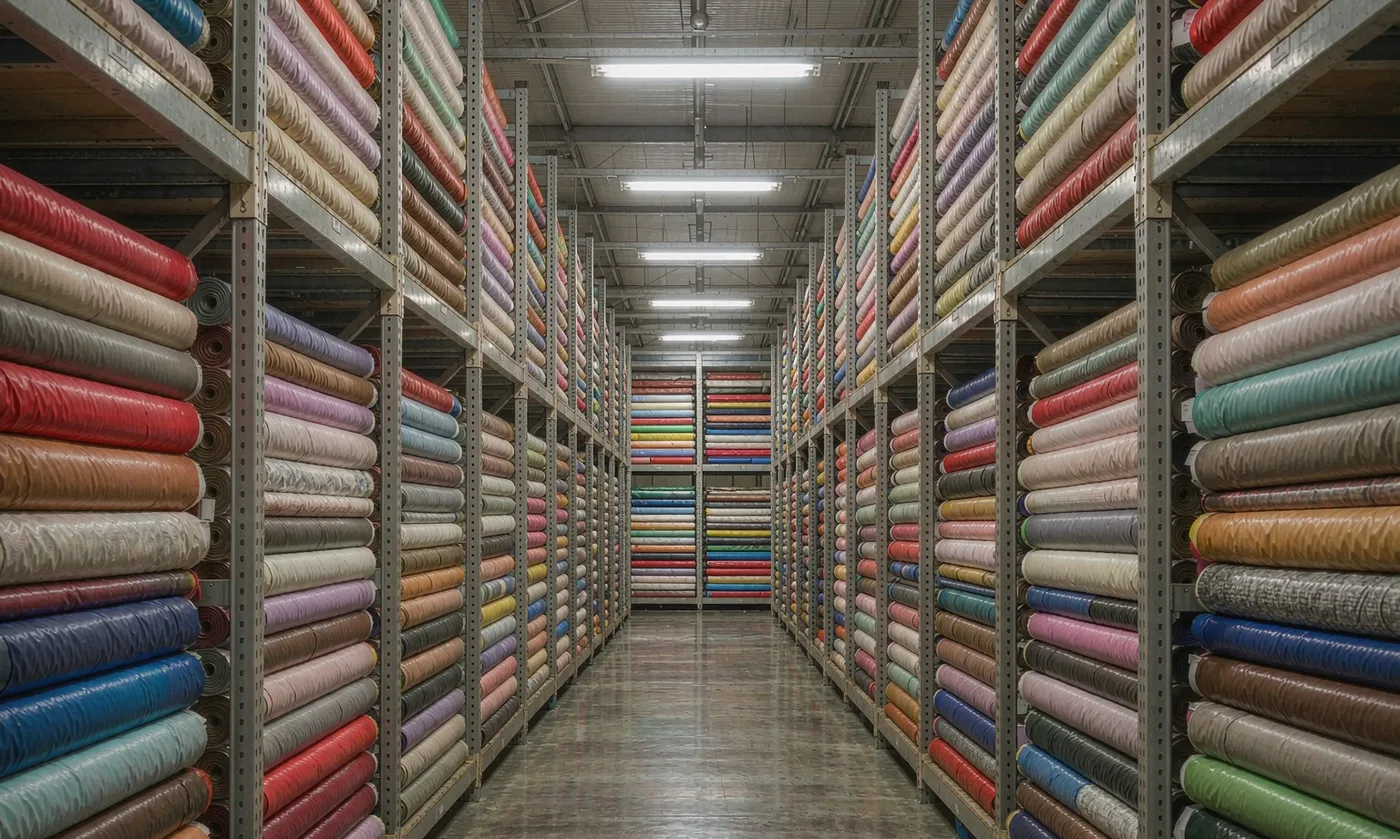
The coating, not the cloth, decides water hold-out and much of the abrasion behaviour. Three chemistries cover the market and each carries a distinct cost, weight, handfeel and environmental profile. Choosing between them is the single most consequential decision on an Oxford specification.
- Polyurethane, PU. The default. Applied at 15-40 gsm on one or both faces, it gives a soft hand, reasonable flex life and hydrostatic figures in the 800-2,000 mm band. It hydrolyses slowly in hot humid climates, which matters for long storage.
- Thermoplastic polyurethane, TPU. Costs roughly 60-90 percent more than PU at equal weight, but resists hydrolysis, stays flexible in cold conditions and tolerates repeated folding. The right choice for premium lines and for markets with cold winters.
- Polyvinyl chloride, PVC. The cheapest route to a high hydrostatic figure, typically 2,500-4,000 mm. Heavy, stiff, prone to cracking when folded cold, and increasingly restricted by retailer chemical policies.
Applied weight deserves as much attention as chemistry. A PU coating at 15 gsm will not close the interstices of an open weave, and water finds the gaps; the same chemistry at 35 gsm on the same cloth can double the hydrostatic figure. Specifying coating weight separately from cloth weight is what prevents the classic failure where a mill reduces coating to hold a price.
Where a retailer chemical policy applies, confirm the coating against it before sampling rather than after. Substitution from PVC to PU late in a programme changes weight, handfeel and the declared figure, which means a new sample cycle and, usually, a new carton calculation.
Application method is worth naming alongside chemistry. Knife coating lays a controlled film and is the usual route for higher hydrostatic figures; roll or pad application penetrates the cloth more and produces a softer hand with lower water hold-out. Two quotations showing the same chemistry and the same applied weight can still behave differently if the method differs, which is another reason to request the measured result rather than the recipe.
Hydrostatic Head and Spray Ratings in Context
Water performance on cloth is reported two ways, and conflating them causes most of the misleading claims in this category. Hydrostatic head measures the height of a water column a cloth can support before three drops penetrate, and it is the figure quoted in millimetres. Spray rating measures how much surface wetting occurs under a standard shower, reported as a grade from 0 to 100 or as an ISO scale figure.
The two measure different things and neither measures a finished bag. Hydrostatic head describes resistance under sustained pressure, which is what matters when a loaded base sits in a puddle. Spray rating describes initial surface wetting, which is what matters in light rain. A cloth with a high hydrostatic figure can still have a poor spray rating if no durable water repellent finish was applied, and vice versa.
The published procedures come from standard textile bodies, and laboratories quoting water resistance normally reference the methods maintained by AATCC for spray testing and by ISO for many hydrostatic procedures. Requesting the method number alongside the figure is what makes two suppliers' numbers comparable.
Translation into claims needs care. A cloth-level hydrostatic result supports water-resistant wording. Waterproof belongs to a finished assembly where seams, stitch holes, zippers and openings have been addressed, because water enters a bag at the seams far more often than through the panel. Stating that boundary on the listing prevents the leak complaints that follow a literal reading of a cloth figure.
Abrasion Grades and Where Each One Belongs
Abrasion is reported as a cycle count to a defined end point under a standard procedure, and the procedure has to be named for the number to mean anything. Two laboratories testing the same cloth can report figures differing by 30 percent if one uses a different abrading medium or end-point criterion. The specification should therefore state the method, the load and the end point, not just a target.
The grid below sets out the grades we quote, with indicative figures for a polyester Oxford construction. Hydrostatic and abrasion numbers are typical published values for the construction and coating shown; a specific mill lot will differ, so the approval file should carry the actual test report for the lot being bought.
| Grade | Construction | Finished weight | Coating | Hydrostatic head | Abrasion | Cost index |
|---|---|---|---|---|---|---|
| Light | 210D x 210D | 110 gsm | PU, one face | 600 mm | 4,000 cycles | 72 |
| Everyday | 300D x 300D | 150 gsm | PU, one face | 800 mm | 6,000 cycles | 86 |
| Mid | 420D x 420D | 190 gsm | PU, two faces | 1,200 mm | 9,000 cycles | 100 |
| Volume | 600D x 600D | 240 gsm | PU, two faces | 1,500 mm | 12,000 cycles | 118 |
| Heavy | 600D x 600D, dense | 270 gsm | PU plus TPU top | 2,500 mm | 16,000 cycles | 152 |
| Rugged | 900D x 900D | 330 gsm | PU, two faces | 1,800 mm | 18,000 cycles | 168 |
| Industrial | 1200D x 1200D | 420 gsm | PVC back | 3,000 mm | 22,000 cycles | 205 |
| Extreme | 1680D x 1680D | 560 gsm | PVC back | 3,500 mm | 28,000 cycles | 262 |
Matching grade to use case is straightforward once the numbers are on the table. Four thousand cycles suits a light sling or a fashion tote. Twelve thousand supports a general carrier with a claw-resistant claim for small animals. Eighteen thousand and above is the territory of large-breed and chew programmes, where the cost index roughly doubles but the returns rate falls by more than the difference.
Abrasion figures should also be read alongside the failure mode that matters. A cloth that reaches a high cycle count but pills early will look worn long before it wears through, and pilling is a separate property driven by filament count and yarn twist. Where appearance retention is the concern, ask for a pilling grade as well as a cycle count; the two do not move together.
Seam slippage is the companion test and is frequently skipped. Under load, yarns in a low-density construction can slide apart at the stitch line even where the cloth itself resists abrasion well, producing an opening seam on a bag whose panel is intact. A seam slippage result at a stated load closes that gap and is cheap to add to the same laboratory submission.
Weight, Handfeel and Freight Cube
Finished weight does more than describe the cloth; it drives sewing behaviour, carton weight and the perceived quality of the bag on the shelf. A 110 gsm cloth sews fast and packs tight but reads as thin. A 420 gsm cloth feels substantial, needs heavier needles and slower feed, and raises both landed weight and the freight bill.
Handfeel is the variable buyers most often discover too late. Coating weight and filament count together decide whether a cloth drapes or stands up, and the same denier can feel soft or boardy depending on the combination. Where handfeel is a selling point, specify filament count and coating weight rather than denier alone, and approve against a physical swatch that both sides sign.
Freight interacts with weight in two directions. Heavier cloth raises carton weight, which matters for air freight and for parcel-based distribution. It also resists compression, which reduces how many units fit into a carton and therefore raises volumetric cost even where weight limits are not binding. A move from 240 gsm to 330 gsm across a range can add 8-12 percent to landed cost before any change in cloth price.
The practical counterweight is construction rather than cloth. Where a heavier grade is needed for abrasion, keeping the lining light and the internal structure minimal recovers most of the added weight, and the bag still reads as substantial because the exterior is what the customer touches.
Sewing behaviour changes with grade and should be anticipated rather than discovered. A 330 gsm cloth needs a heavier needle, a slower feed and a longer stitch length, and a line set up for 240 gsm will produce skipped stitches and broken needles on the heavier material. Confirming needle size and stitch length at sampling avoids a production problem that looks like a quality defect.
Cutting efficiency also varies. Heavier cloth cannot be spread as many layers deep, so marker utilisation falls and the cutting room spends more time per unit. On a 3,000-piece order the difference in conversion cost between a 240 gsm and a 420 gsm cloth is often larger than the difference in cloth price, which is why a landed comparison should always include conversion.
The Cost Ladder Across Oxford Grades
Cloth is typically 24-32 percent of a finished pet bag, so the grade decision moves the unit price by less than intuition suggests, while it moves perceived quality by more. Understanding the shape of the ladder helps a buyer spend where it shows.
- 210D to 300D, index 72-86. Light linings, fashion totes, promotional programmes. Cheapest per metre and the weakest claim.
- 420D to 600D, index 100-118. The volume band. Adequate abrasion for everyday carriers, reasonable water figures with a two-face coating.
- 600D dense with TPU, index 152. Premium outdoor and travel lines where cold flexibility and hydrolysis resistance justify the premium.
- 900D to 1200D, index 168-205. Rugged programmes, chew resistance, and listings competing on durability claims.
- 1680D, index 262. Niche. Strong claim, heavy carton, and rarely the right answer for a pet bag unless the channel is expressly technical.
Volume behaviour differs by grade. Common grades such as 600D are held in stock by mills, so a 500-piece programme buys at close to market price and a 3,000-piece order gains perhaps 5-7 percent. Uncommon grades such as 1200D often need a mill run, and the minimum for that run can exceed what a single colour consumes, which is why niche grades carry a hidden premium for small programmes.
Where a price target is tight, the correct concession is the grade, declared openly, rather than an invisible reduction in coating weight. Dropping from 600D to 420D with the coating held constant produces an honest product; holding 600D and cutting the coating produces one that leaks.
Mill Documentation and Bulk Lot Verification
The approval file is what turns a specification into an enforceable one. Four documents cover an Oxford programme, and all four should be requested at sample stage because two of them take weeks to produce and cannot be backdated once bulk is cut.
- Construction declaration. Fibre, denier and filament count, threads per centimetre, finished weight and coating weight, stated separately.
- Water test report. Hydrostatic figure and spray rating, each with the method number and the laboratory named.
- Abrasion report. Cycle count with method, load and end point stated, on the specific lot being bought.
- Chemical compliance statement. Matched to the destination market, and to the retailer policy where one applies.
Independent textile label schemes simplify the fourth item considerably, because mills supplying export programmes usually already hold one. The OEKO-TEX label system is the reference most suppliers in this category maintain, so the request is for a copy rather than for new testing.
Bulk verification should check the lot, not the sample. At inspection, cut and weigh a known area from a finished unit and compare against the declared finished weight, then compare handfeel and shade against the signed swatch under a light box. A lot that matches on shade but misses on weight by more than 5 percent is usually a coating reduction, and that is the single most common silent downgrade in this category.
Schedule the inspection when the pre-production sample is signed. Pre-production takes 6-10 working days and bulk runs 35-50 days; a booking made after the goods are packed routinely costs a week and, in a seasonal category, a week is often the season.
Matching Grade to Pet Bag Categories
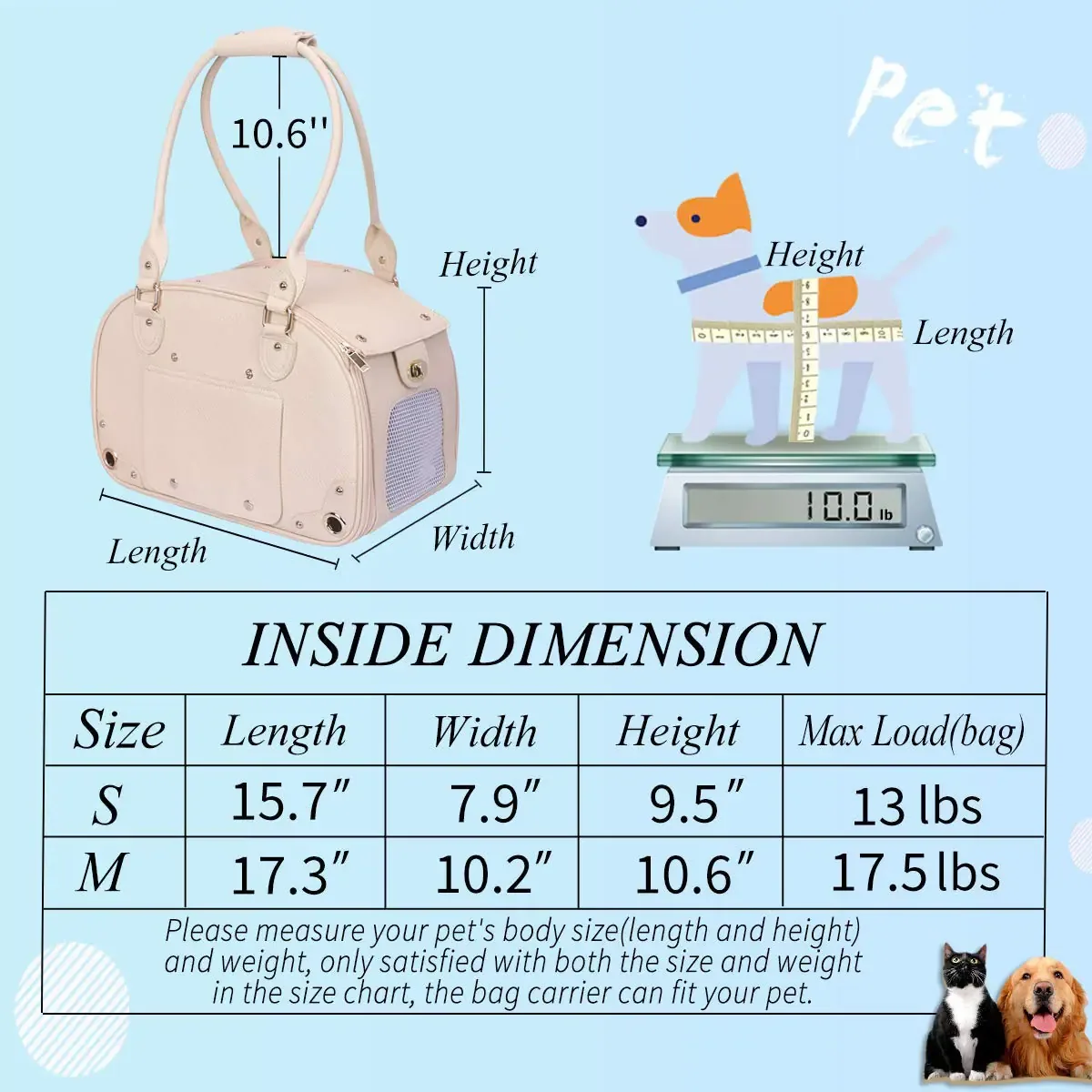
The same cloth behaves differently depending on what the bag has to do, so grade selection should begin from the product rather than from the mill catalogue. Five product types cover most of this market, and each one has a natural grade band that balances claim, weight and cost.
- Sling and close-carry styles. 210D to 300D, index 72-86. Load is low and carried close to the body, so abrasion demand is modest and lightness is the selling point.
- Everyday tote and shoulder bags. 420D at index 100. Adequate for daily use, light enough to pack flat, and the cheapest grade that still supports a durability claim.
- General carrier and backpack styles. 600D at index 118. The volume answer, reaching about 1,500 mm and 12,000 cycles.
- Travel and outdoor lines. 600D dense with a TPU top coat at index 152, or 900D at index 168 where cold flexibility matters less than abrasion.
- Chew and large-breed programmes. 900D and above, index 168-205, with reinforced seams and an after-wash abrasion result.
Two product characteristics push the grade upward independently of category. Ventilated panels create openings where the cloth is cut and the load path is interrupted, so a bag with large mesh sections needs a heavier surrounding cloth than an unventilated one. Load position matters too: a bag whose base carries the animal's full weight needs more abrasion resistance at the base than at the sides, and a specification that allows a heavier grade only in the base panel saves money without weakening the claim.
Mixed-grade construction is underused in this category. Specifying 600D on the body, 900D on the base and 300D on the lining delivers the performance where it matters at a blended cost index nearer 120 than 168. The additional cutting complexity is small, and the saving on a 3,000-piece programme is material.
Ventilation openings deserve a separate note because they interrupt the load path. Every cut edge around a mesh window transfers stress to the surrounding cloth, and a grade chosen for the panel will usually be too light for the frame around the opening. Specifying one grade heavier around openings, or binding the opening with tape, is a small change that prevents the tear-out failures common in ventilated designs.
Hardware compatibility completes the match. A heavy 1200D cloth on a bag with light acetal hardware creates a mismatch where the cloth outlasts the closure by years, and the product still fails. Balancing grade against zipper gauge, webbing width and buckle rating is what makes the durability claim true across the whole assembly rather than only on the panel.
Production capability
- SGS-verified production space of 4,950 m², 149 machines, 7 assembly lines
- Pet bag output since 2014 from a 137-person team
- 200,000 units shipped monthly under BSCI and ISO 9001 systems
People Also Ask
Does higher denier always mean longer life?
No. Density and coating weight matter as much. A dense 420D construction frequently outlasts a loosely set 600D in real service.
Is Oxford fabric actually waterproof?
The weave is not; the coating is. Water hold-out comes from the applied film, its weight and whether seams and openings are sealed in the finished bag.
What does 600D mean on a fabric label?
The mass in grams of 9,000 metres of one yarn. It indicates yarn thickness only, and filament count plus weave density complete the picture.
Which Oxford grade is cheapest that still lasts?
420D at 190 gsm with a two-face coating, index 100. It reaches about 1,200 mm and 9,000 cycles, adequate for everyday carriers.
Why does my waterproof bag leak at the seams?
Because a cloth figure does not cover stitch holes, zippers or openings. Seam sealing and protected closures are what make an assembly waterproof.
Does PVC coating crack in winter?
It can. Polyvinyl chloride stiffens and cracks when folded cold, which is why thermoplastic polyurethane is specified for cold-climate programmes.
How do I compare two 600D quotations?
Ask for finished weight, filament count, threads per centimetre and coating weight separately. Differences of 15-20 percent in density are common at identical denier.
Does heavier cloth always feel better?
Not necessarily. Handfeel comes from coating weight and filament count as much as from grams per square metre, so approve against a signed physical swatch.
Frequently Asked Questions
What denier of Oxford suits a bulk pet bag programme?
600D x 600D at 240 gsm with a two-face polyurethane coating is the volume answer. It reaches roughly 1,500 mm hydrostatic and 12,000 abrasion cycles, which supports an everyday durability claim without doubling cloth cost.
Is Oxford a fibre or a weave?
A weave. It describes how yarns interlace and says nothing about fibre, filament count, density or coating, which is why a specification has to state those separately.
Which coating should be specified for cold climates?
Thermoplastic polyurethane. It stays flexible at low temperature and resists hydrolysis, at roughly 60-90 percent more than standard polyurethane at equal applied weight.
Does a higher denier always mean a longer life?
No. Weave density and coating weight influence abrasion as much as yarn thickness, and a dense 420D can outlast a loosely set 600D in service.
What hydrostatic figure supports waterproof wording?
A cloth figure supports water-resistant only. Waterproof belongs to a finished assembly with sealed seams and protected openings, because water enters at the seams far more often than through the panel.
How is coating weight specified?
Separately from cloth weight, in grams per square metre, with the number of coated faces named. A coating at 15 gsm will not close an open weave; the same chemistry at 35 gsm can double the water figure.
What is the order minimum for an Oxford programme?
MOQ 500 pieces per colour. Pre-production sample takes 6-10 working days, bulk completion 35-50 days, and acceptance is at AQL 2.5, settled T/T 30/70 on FOB Xiamen.
Why do two laboratories report different abrasion figures?
Because method, load and end point differ. State all three in the specification so a target means the same thing to both suppliers.
How does grade choice affect landed cost?
Moving from 240 gsm to 330 gsm can add 8-12 percent through carton weight and reduced compression, before any change in the cloth price itself.
Is 1680D worth specifying for a pet bag?
Rarely. The cost index reaches 262 and the carton becomes heavy; 900D at index 168 covers almost every durability claim in this category.
How is a silent coating reduction detected?
Cut a known area from a finished unit, weigh it, and compare against declared finished weight. A shortfall above 5 percent that still matches on shade is usually coating, not yarn.
Do niche grades carry a hidden cost?
Yes. Grades outside normal mill stock often need a dedicated run whose minimum exceeds what one colour consumes, so a small programme pays part of that minimum.
What documents belong in an Oxford approval file?
Construction declaration, water test report, abrasion report and destination chemical statement, each naming the method or scheme and tied to the lot being purchased.
Should the spray rating be requested as well?
Yes. Hydrostatic measures sustained pressure and spray measures initial surface wetting; a cloth can score well on one and poorly on the other depending on finish.
Talk to QUANZHOU JUNYUAN BAGS about a wholesale pet bag order: MOQ 500 pieces per colourway, samples in 6-10 working days, bulk production in 35-50 days under AQL 2.5 inspection.
Get a free quote Request a sample