Pet Wheelchair Bag: Mobility Aid
A wholesale pet wheelchair bag is specified from six physical measurements of the equipment: folded envelope, wheel diameter, axle width, tallest bracket, packed mass and the loading sequence. Add twenty to thirty millimetres of clearance and design continuous suspension webbing; MOQ 500 per colorway applies, with indicative pricing at USD 11.80-23.60 FOB. Anything dimensioned from a weight rating alone will fit badly.
Three different products hide behind this one phrase, and purchasing the wrong one accounts for most of the losses in the category. Decide first whether you are buying a case for detached equipment, a unit that carries an animal wearing support webbing, or a hybrid combining both behind a divider. That decision governs reinforcement, closure grade, internal layout and carton cube. Our standard terms are MOQ 500 pieces per colorway, prototype work in 6-10 working days once reference apparatus arrives, volume production across 35-50 days after written approval, and release inspection at AQL 2.5 with defects classified according to consequence. Payment moves T/T 30/70 against documents on an FOB Xiamen basis. Assembly is coordinated by our production team through an SGS-verified production base plus partner facilities carrying BSCI and ISO 9001 records. Keep the fit session, the equipment reference unit and the frozen pattern together; those three artifacts settle nearly every dispute that later arises.
Wholesale pet carrier vet visits and wholesale pet carrier grooming lines are small-basket, high-repeat business, while Pet Bag Types & Styles decides whether one shell can serve both. Wholesale pet carrier travel and wholesale pet carrier camping units need opposite vent geometry, so a single pattern rarely covers both.
Naming the Carried Object Before Anybody Compares Prices
Every quotation dispute in this category begins in the same way: somebody writes the word bag, and two parties imagine different contents. One is pricing a sleeve that holds a folded mobility cart in a car boot. The other is pricing a transport unit that carries an animal wearing a support harness. Those articles share almost nothing beyond a handle and a zipper.
Three formats cover the market. A folded-frame case holds detached equipment only and never carries an animal. A harness-compatible unit holds a pet that is wearing rear-support webbing, which changes internal volume and floor requirements. A hybrid kit separates the two jobs inside one shell, usually with a removable divider for dirty components.
Write the format into line one of the enquiry, alongside maximum carried mass and whether wheels stay attached. Everything downstream of those two sentences is engineering detail; everything upstream of them is guesswork. Suppliers answering an ambiguous request protect themselves with assumptions, and assumptions are precisely what later become arguments about who pays for a redesign.
Distributors and rehabilitation suppliers usually want the first format, sold alongside equipment they already import. Specialty e-commerce sellers favour the second because it photographs as a lifestyle item. Mixed listings that try to serve both with one SKU tend to disappoint everybody, which is why dual-size ranges generally outsell clever compromises.
Realistic finished cost sits between USD 11.80 and 23.60 FOB. Reinforcement, abrasion barrier and closure grade account for most of that spread; printed identity contributes very little. Knowing which format you are buying matters more here than in almost any other pet-bag category, because the construction weight difference between them is substantial.
Retailers frequently ask a single SKU to serve every scenario, and it rarely works. A mixed listing forces copy to explain conditions nobody reads, while a clear two-model range lets each unit be described in one sentence. Conversion improves when choices are named rather than negotiated, which is why model-based ranges usually deliver higher sell-through per square metre.
Format rule: State the carried object, whether wheels remain attached and the maximum mass before asking anybody for a number, then keep those three values fixed through every subsequent revision.Converting Frame Geometry Into Finished Dimensions
Mobility equipment does not behave like a jacket. Tubes, knobs, cam locks and axle ends poke through flexible paneling, and no amount of operator skill makes a seam stronger than an exposed aluminium end. Internal dimensions must therefore be derived from a physical unit or a controlled gauge, never inferred from a weight rating printed in someone else catalogue.
Collect six measurements from the actual apparatus: folded length, folded width at the widest knee joint, wheel diameter, axle width including any end cap, height of the tallest bracket above the wheel plane, and total packed mass. Take each one twice, allowing for alternative configurations such as wheels stored in the side pockets.
Add clearance rather than fitting exactly. Textile panels deflect, seam allowances occupy space and a zipper needs unobstructed travel across the whole closing path. A working clearance of twenty to thirty millimetres around the projected envelope usually prevents the strain lines and popped stitches that appear when the pattern matches the equipment too tightly.
The table below organises common wheeled apparatus into three envelope classes. It is a starting point for preliminary enquiries, not a substitute for measuring the particular product you intend to support.
| Equipment class | Folded envelope | Wheel diameter band | Suggested internal clearance | Working load target | Typical FOB |
|---|---|---|---|---|---|
| Compact rear-support cart | Four hundred by two hundred and sixty millimetres | One hundred and twenty to one hundred and eighty millimetres | Twenty millimetres | Four kilograms | USD 11.80-15.20 |
| Mid-frame all-terrain cart | Six hundred by three hundred and forty millimetres | Two hundred to two hundred and sixty millimetres | Twenty-five millimetres | Seven kilograms | USD 14.60-19.80 |
| Full support frame with removable wheels | Seven hundred and twenty by four hundred millimetres | Two hundred and sixty to three hundred and twenty millimetres | Thirty millimetres | Ten kilograms | USD 19.20-23.60 |
| Harness-only configuration, no cart stored | Not applicable, pet body volume only | None | Not applicable | Pet mass plus harness | USD 13.40-18.20 |
Ask for dimensional tolerance to be recorded in both directions. Undersize prevents closure; oversize allows the contents to travel and transmit shock to the seams. Defining an acceptable band rather than a single target lets operators work realistically while giving inspectors a straightforward measurement they can apply at both prototype and final release stages.
Finally, record how the item is loaded. Some apparatus enters wheels first and some rotates in sideways. Whichever sequence your instructions describe should be the one tested on sample units, because alternate loading routes stress completely different seams and generate misleading conclusions about reinforcement placement.
Dimension rule: Six physical measurements plus generous clearance beat any weight-based estimate, and the loading sequence must be fixed alongside them.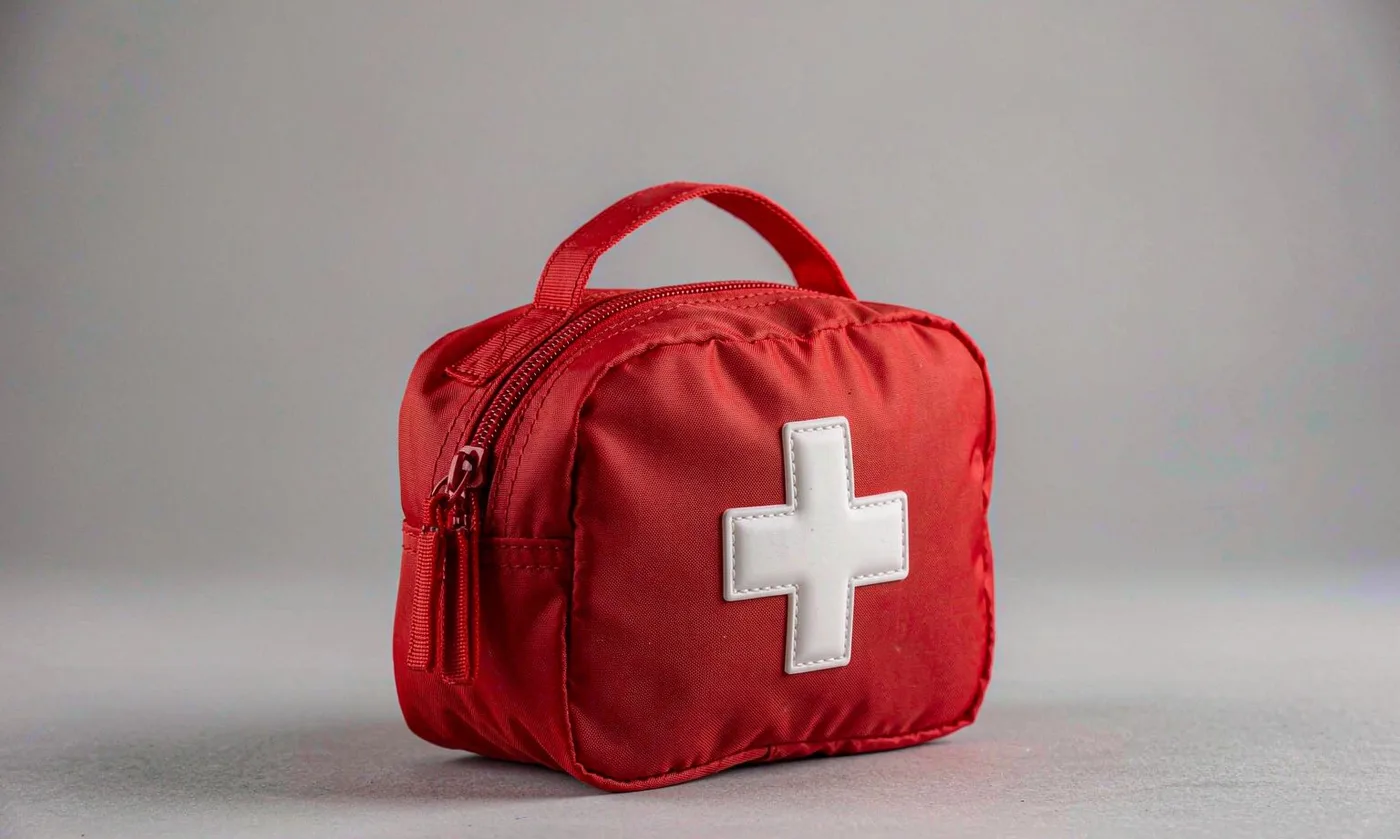
Load Paths for Rigid, Sharp and Heavy Contents
Textile carriers distribute load along skins and seams, which is adequate for clothing and inadequate for metal tubing. Once a three-kilogram frame rests inside, every gram travels to whatever connects the body to the handles. If that route passes through lining instead of webbing, failure is only a matter of trips.
Specify continuous webbing from the underside of the article, around the corners and into the handles, with no break at the junction. Handle attachment points should sit on the same vertical plane as the wheel contact zone, so concentrated loads travel straight rather than twisting the shell. Reasonable programs also add a supplementary panel across the lower third.
Contact zones deserve local protection. Abrasion-resistant fabric, often a coated high-tenacity weave, belongs wherever wheels or axle ends rest, and it should wrap rather than butt against adjacent panels. Butted seams peel under repeated insertion; wrapped construction continues to perform long after the visible face looks worn.
Handles should be rated rather than decorative. Ask how many lift cycles the construction survived with the declared mass inside, using complete units rather than straps alone. A strap tested in isolation can report excellent figures while the stitching attaching it to the shell remains unproven, which is the classic gap in a supplier test file.
Finally, consider the case where the owner overloads. Nobody reads capacity labels, and equipment gets thrown in alongside leads and water bottles. Building a modest safety factor into the suspension, then printing a conservative figure, is cheaper than replacing articles under a goodwill programme.
Seasoned buyers also ask what happens after several years of use. Seam thread degrades under sunlight and cleaning agents long before fabric does, so specifying a quality thread grade and UV-stabilised panels costs marginally more yet substantially extends usable life. Nobody photographs thread at purchase, everybody remembers it at replacement.
Load rule: Follow the path from wheel contact to handles, keep it unbroken webbing rather than lining, and test complete units instead of isolated components.Separating Soiled Wheels From Clean Textiles
Mobility equipment arrives wet, gritty and occasionally worse. Most consumer-oriented organizers assume dry contents, which is why the first thing that fails in the field is the interior. Buying teams should treat contamination as a design input rather than an unfortunate event the customer will somehow manage.
Start with a sealed lower chamber for anything touching ground. Coated barrier fabric with welded or taped seams keeps moisture off adjacent panels, and a raised lip prevents dirty water running into the stitching line. Removable liners make this easier, provided each can be replaced as a spare part rather than requiring the whole unit be discarded.
Then allocate a dry zone for straps, harness webbing and personal items. Physical separation by construction outperforms any instruction telling users to wrap things first, because instructions are read once and behaviour continues for years. A simple vertical divider costs little and prevents a recurring complaint.
Drainage deserves a specific decision. Some rental operators prefer a fully sealed chamber they can wipe; others want protected openings at the lowest corners so water escapes during transit. Whichever route the channel chooses should be stated in the specification, since the two options require different seam engineering and cannot be changed late.
Finally, ask for cleaning validation with the products likely to be used. Bleach solutions, alcohol sprays and enzymatic cleaners all attack coatings differently, and a liner that survives water may cloud after a sanitiser cycle. Confirm compatibility in writing, both for the material and for any printed labelling inside the chamber.
Contamination rule: Engineer separation rather than relying on user discipline, and validate chemical compatibility against the sanitiser your channel actually uses.
Hitching the Bag to Mobility Equipment
Many owners do not want to carry anything at all; they want the storage hung from the apparatus the animal is already using. That request converts a soft goods programme into a load-attachment programme, with implications for both hardware specification and liability wording.
Begin with attachment geometry. Straps must clear moving joints, using a path that avoids any point where the tube rotates, telescopes or folds. A hitching point that interferes with suspension movement is worse than no attachment feature, because customers will improvise and blame the product for the resulting instability.
Weight transfer then becomes the governing constraint. Apparatus designed to carry a torso is balanced for that distribution, and adding mass behind the axle changes handling characteristics immediately. Set a conservative maximum for hanging items, typically under one kilogram unless the equipment maker states otherwise, and print it prominently.
Hardware should be standardised and replaceable. Common side-release attachments in a declared size keep costs low, allow inventory sharing across your other lines and let customers replace a broken part without discarding the unit. Proprietary mouldings may look tidier but create single-source dependency for every future reorder.
Test attachment performance dynamically rather than statically. Fit the unit, load it to the declared hanging maximum, then walk the equipment across a kerb, through a doorway and over a short gravel stretch. Movement reveals interference that static inspection never shows, usually within the first few minutes.
Finally, document incompatible configurations. Rather than claiming broad compatibility, publish a matrix listing supported equipment classes, excluded geometries and maximum hanging mass. Sellers dislike publishing exclusions, yet the absence of that list is precisely how products attract complaints they cannot defend.
Hitching rule: Clear moving joints, cap hanging mass conservatively, keep hardware interchangeable, and publish a compatibility matrix alongside the feature.What Rental Fleets and Clinical Channels Demand
Rental and veterinary environments impose requirements that rarely appear in consumer briefs, mainly because their cost structure differs. A unit purchased for hospital or clinic use may be cleaned weekly for years, so surface durability matters far more than first impressions, and downtime is measured against appointment schedules.
Ask those buyers three questions before specifying: how often will it be sanitised, with what agent, and who performs the task. Answers determine whether bonded linings, taped seams or replaceable inserts are appropriate. Ignoring them results in articles that delaminate within a season while laboratory paperwork remains perfectly compliant.
Identification also matters. Fleet operators label everything, and coatings that resist marker pen or barcode adhesive cause administrative friction every time inventory is counted. Specify a writable zone or a clear pocket where the user labelling system can be applied without damaging the shell.
Finally, plan spare part supply. Liners, dividers and attachment straps fail before shells do, and a fleet manager who cannot buy replacements will replace the entire unit again. Confirm availability of those items for the expected service life and quote them separately, since this is often profitable incremental business.
References useful when assembling the technical file include the Center for Pet Safety for independent protocol thinking, ISO 9001 quality management principles for process discipline and SGS independent laboratory verification for lot results. Cite the specific destination requirement in writing rather than relying on any organisation homepage.
Fleet rule: Specify for cleaning frequency, labelling practice and spare-part availability rather than appearance, and price replacements as separate line items.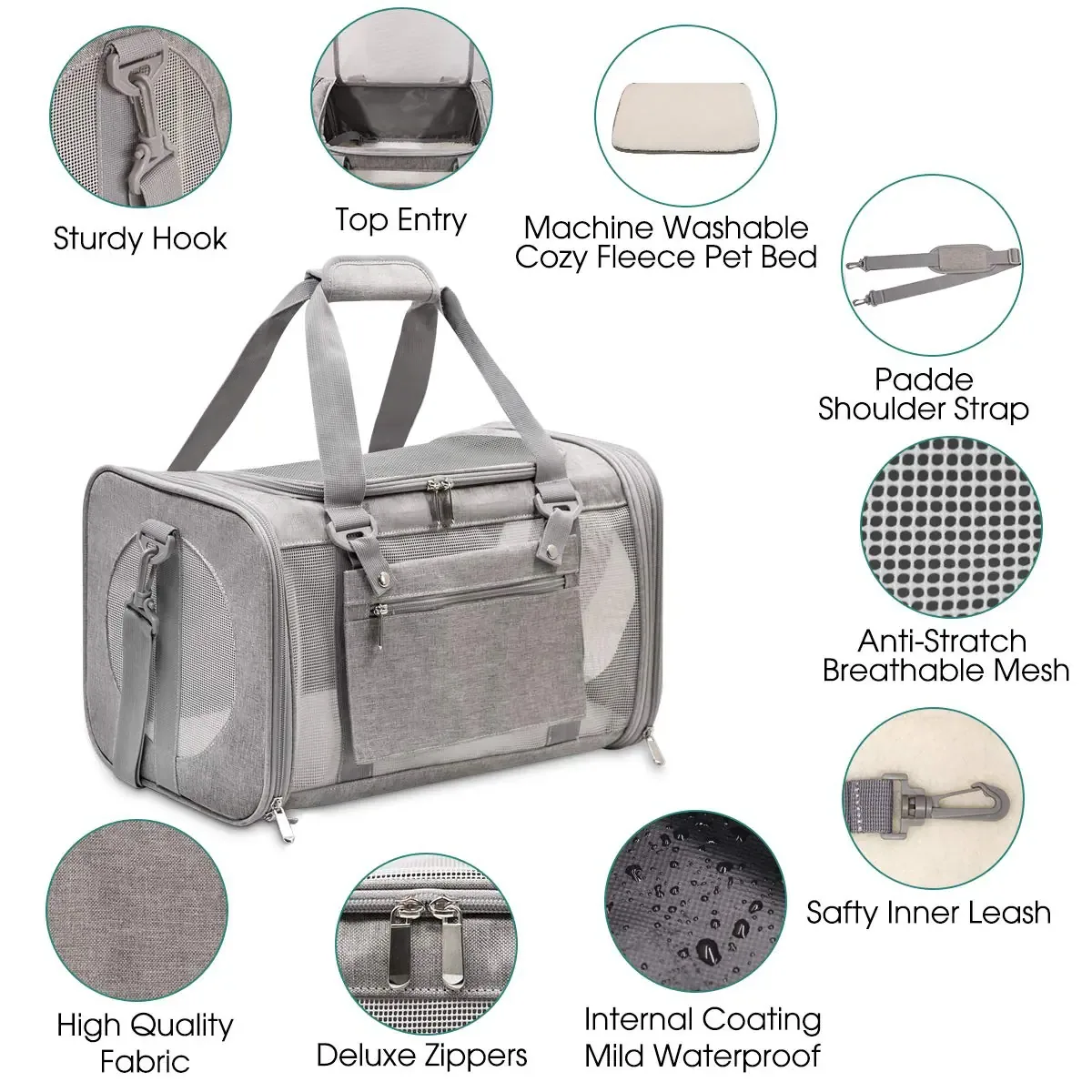
Freight Cube Against Ex-Works Unit Price
Structured items in this class ship expensive. Reinforcement panels resist compression by design, which means the same protection that survives transit also prevents efficient packing. Buyers optimising solely for ex-works price routinely lose more to freight and warehousing than they saved at negotiation.
Request four values with every quotation: flat-packed envelope, packed carton quantity, carton gross mass and dimensional weight computed at the shipping divisor your forwarder uses. Comparing two offers without those figures is meaningless, because the cheaper unit often arrives in fewer pieces per container.
Removable base systems can transform the equation. A chamber that accepts two or three demountable panels may cost slightly more per unit yet nest far better, sometimes improving units per container by twenty percent. Ask immediately whether the smaller declined volume compensates for any additional assembly labour at destination.
Seasonality matters as well. Freight rates move, and a structurally competitive design locked into peak-season shipping can lose its advantage entirely. Build quotations with a stated validity period, and synchronise the production window with when the channel actually needs inventory rather than with the earliest possible ex-factory date.
Do not overlook port duties, which sometimes differ according to whether an article is classed as animal accessory or transport equipment. Request classification advice early from your broker, since the same unit can attract different treatment depending on declared function. That single administrative question occasionally moves margin more than fabrication does.
Finally, compare landed cost rather than factory gate figures. Include duty, inland haulage and any handling surcharge for oversized cartons. Doing this arithmetic before approval consistently changes the ranking of options, sometimes promoting the higher-priced unit to the cheaper overall choice.
Freight rule: Always request packed envelope and carton quantity alongside unit price, then compare landed totals across a stated validity period.Fit Verification Before Anyone Books Volume
Gate the program on physical fit rather than paperwork. No enquiry should convert into a production order until a prototype has accepted the actual apparatus repeatedly, released it just as often, and survived being lifted by its handles with full declared mass inside. Everything else is secondary.
Structure the check as three separate sessions. Session one confirms insertion and removal twenty times, noting any contact scar on internal surfaces. Session two loads to maximum declared mass, lifts by each handle in turn and measures deflection after sixty seconds. Session three follows post-cleaning behaviour, since wetted panels behave differently from dry ones.
Contact marks are the most informative output. Highlight them on interior photographs, because their location tells you exactly where reinforcement belongs and how much clearance was actually required. Reinforcing broadly costs more than reinforcing precisely, and this exercise distinguishes the two quickly.
Freeze everything once the session passes: pattern pieces, board specification, panel layout, carton method. Record those values in a shared document referenced by later purchase orders, and require written change control whenever anybody proposes altering them. Most quality problems in structural items trace back to an undocumented amendment rather than to a defective supplier.
Finally, schedule as though each round consumes real time. Prototype work normally occupies 6-10 working days once the enquiry and any reference apparatus are complete; volume runs 35-50 days after written approval, longer where tooling is involved. Booking the vessel before the fit session concludes simply converts bad news into an expensive kind of bad news.
Gate rule: Physical fit, weighted lift and post-cleaning behaviour must all pass before any pattern is frozen, and every subsequent amendment requires written approval.Instruction Content, Warranty Boundaries and After-Sales Cost
Structural articles generate disputes for predictable reasons: someone overloaded the unit, used an incompatible piece of equipment, or cleaned it with an agent nobody validated. Instruction documents are the cheapest defence against all three, yet they are usually written last by whoever has the least technical knowledge.
Write three pieces of content deliberately. A carton panel shows the supported equipment classes and maximum mass in large type. An insert describes loading order, cleaning agents and drying requirements. A sewn-in label repeats the mass limit where it cannot be removed. Three separate placements mean at least one survives contact with the customer.
Make the compatibility matrix public rather than internal. Sellers worry that publishing exclusions damages conversion; experience suggests the opposite, because it filters inquiries before purchase and gives your service team a document to quote during disputes. An unstated exclusion is simply a future claim waiting for a date.
Decide the split for post-sale costs before the first container ships. Our practice asks that genuine manufacturing defects appearing within an agreed period be covered at our side, while damage from incorrect cleaning, overloading or equipment modifications rests with the importer. Written agreement converts an argument into an administrative step.
Finally, track return causes in your own system using the same categories every time: fit, closure, liner, handle, cleaning. That coding accumulates quickly and tells you where next season specification should invest. Programmes that skip this step repeat the same mistakes with slightly different trims year after year.
After-sales rule: Publish supported and excluded configurations, repeat limits in three places, and settle defect responsibility in writing before the first shipment rather than after the first complaint.Why brands source here
- Pet bag programmes run since 2014; founding team in sewn goods since 2004
- SGS-verified production floor of 4,950 m² with 137 workers across 7 lines
- Monthly capacity of 200,000 units, audited to BSCI and ISO 9001
People Also Ask
Why is this price band so much higher than a soft carrier?
Reinforcement, abrasion barrier and heavy-duty closure hardware dominate the bill of materials, whereas appearance contributes little. A supportive base, wrapped contact zones and continuous suspension webbing all add labour. Comparing against a soft tote is misleading because the load cases have almost nothing in common.
Can one size cover several equipment models?
A universal envelope is possible but usually ships poorly. Oversized internal space allows the equipment to travel during transit, which transfers force to closures and corners. Two sizes covering defined classes generally outperform a single compromise, provided the split follows real measurements rather than convenience.
What typically fails first on these units?
Handle attachment points and lower corner seams, followed by internal contact zones where wheels rest. Failures cluster at these three locations because loads concentrate there. Reinforcing precisely rather than broadly is the most economical way to extend service life without inflating cost.
How should cleaning instructions be written?
Match them to validated evidence. State the permitted agent, its dilution, contact time and drying method, verified against the actual coating and liner. Anything outside that scope risks delamination, and vague wording tends to generate warranty claims rather than cleaner units.
Is waterproof lining worth the additional cost?
For channels that receive wet equipment, almost always. Sealed barrier seams, a raised lip and a replaceable insert convert a frequent complaint into routine maintenance. For dry indoor use only, the upgrade adds cost without delivering visible benefit, so match it to the route to market.
Should external quotations specify packed carton quantity?
Always. Units per carton and packed envelope determine landed cost as much as unit price does. Requests that omit these figures invite suppliers to quote attractively while shipping inefficiently, and the difference frequently exceeds any discount achieved during negotiation.
Do we need independent test evidence for a storage case?
Evidence proportional to the claim is sensible. Working load, handle cycles and seam strength can be verified through routine laboratory work, which also supports channel onboarding. Promoting any load capability without supporting results creates exposure that far outweighs the modest testing fee involved.
Frequently Asked Questions
Do we need the actual mobility apparatus to develop this properly?
Yes. Photographs and nominal specifications omit exactly the features that cause trouble: end caps, quick-release pins, angled knobs. Ship one example unit, or supply controlled gauge blocks made from the drawing. Development against guesswork reliably produces a pattern that fits nothing once production begins.
How much clearance should the pattern allow around the equipment?
Twenty to thirty millimetres around the projected envelope works for most classes. Panels deflect under load, seam allowances consume space, and zippers require unobstructed travel. Fitting exactly produces strain lines and popped stitching within weeks, whereas generous clearance costs only marginal fabric.
What minimum order should we anticipate for this construction?
Budget for MOQ 500 pieces per colorway on a standard materials platform. Custom moulded protection, dedicated hardware or a mill-dyed coating may attract separate supplier minimums, so identify those elements in the first enquiry rather than during the quotation round.
Can the interior be configured for both equipment and animal carriage?
Only with deliberate separation. A removable divider, a sealed lower chamber for wheels and a clean upper zone are the minimum. attempting to serve both purposes in one open space produces complaints from both customer groups and complicates cleaning validation considerably.
Which handle construction survives repeated heavy lifting?
Continuous webbing running beneath the shell and terminating at the handles, with local reinforcement rather than surface patches. Handles should be tested as part of the completed article under full declared mass, not as isolated straps, since the attachment stitching governs real-world outcomes.
How do we control crossover between soiled and clean zones?
Use construction rather than instruction. A sealed chamber with taped seams, a raised lip to contain liquid, and a physically separated dry compartment outperform any request that users wrap items beforehand. Then validate chemically against the actual sanitiser used by the channel.
Is hanging the item off mobility equipment advisable?
It is popular and must be engineered conservatively. Capped hanging mass below a kilogram unless the equipment maker states otherwise, clear of moving joints, using interchangeable hardware. Publish a compatibility matrix rather than claiming broad fit, and print the mass limit prominently.
What documentation accompanies a first shipment?
Expect a commercial invoice, packing list, inspection report, agreed declarations and any laboratory results named in the purchase terms. Destination-specific marking remains your responsibility as importer, so confirm those items with your broker well before the production window closes.
Who pays when a fit problem appears after approval?
Responsibility follows the records. If a physical unit was supplied and the prototype accepted it, later changes to that apparatus rest with the buyer. If the pattern deviated from what was signed, it rests with production. Keeping dated fit photographs settles the question in minutes rather than weeks.
Can these ship alongside unrelated lines in one container?
Yes, provided ex-factory dates and carton marking are coordinated. Model space by packed cube because reinforced items do not compress, and confirm inspection access early since mixed loads complicate sampling at the pier considerably.
How long do prototype and production take here?
Prototype work generally occupies 6-10 working days after the enquiry and any reference apparatus arrive; volume production runs 35-50 days following written approval. Tooled components extend both, so declare that requirement in the first request rather than midway through development.
What payment structure is standard for this article?
T/T with thirty percent deposit and seventy percent against documents, quoted FOB Xiamen. If another delivery term is preferred, request a separate landed proposal so options can be compared against ex-works pricing on equal footing rather than blended together.
How are spare parts handled after the first season?
Quote liners, dividers and attachment straps as separate items from the start and agree availability for the expected service life. Fleet customers replace these components several times before retiring a shell, which makes parts supply both a service obligation and steady incremental revenue.
Talk to QUANZHOU JUNYUAN BAGS about a wholesale pet bag order: MOQ 500 pieces per colourway, samples in 6-10 working days, bulk production in 35-50 days under AQL 2.5 inspection.
Get a free quote Request a sample