Wholesale Airline Approved Pet Carrier: Dimensions to Build
Short answer: build to approximately 43 x 28 x 20 cm external, measured loaded and including hardware, with 3-5 cm of recoverable compression in the top panel, mesh open area of 18-22 percent across at least three faces, and a tare weight under 1.4 kg for an 8 kg combined ceiling. No airline certifies a bag; each publishes its own limits.
The most useful sentence in this whole category is an uncomfortable one: no airline approves a pet carrier. Carriers publish maximum dimensions, weight ceilings and stowage rules, and whether an individual bag complies is decided at the gate by whoever checks it on the day. That reality should shape how a buying entity specifies product, because it means the correct target is not any single carrier's published figure but the intersection of the bands most carriers publish — plus honest compression behaviour, real ventilation openings and a tare weight that leaves room for an actual animal. This guide sets out those bands, converts them into build targets, explains how much soft-sided compression is legitimate before it stops being sellable, quantifies ventilation open area, matches weight classes to realistic pet masses, and finishes with verification and production tolerance, where most programmes quietly lose the fit they achieved on the first sample. Terms are standard across the size range: MOQ 500 pieces per accepted colourway, samples in 6-10 working days, bulk production 35-50 days from sign-off, random inspection at AQL 2.5, T/T 30/70, FOB Xiamen. QUANZHOU JUNYUAN BAGS has developed travel formats since 2014 with a founder in the trade since 2004, through an SGS-verified production base of 4,950 square metres running 7 lines, 149 machines and 137 staff at roughly 200,000 pieces monthly under BSCI and ISO 9001.
Pet bag retail buyers and pet bag wholesale business owners look at the same unit cost from opposite ends, and Pet Bag Types & Styles is where those numbers meet. Pet bag procurement teams normally fix quality first and negotiate price second, which is why pet bag supplier selection is really a documentation exercise.
No Carrier Certifies a Bag: They Publish Limits and Decide at the Gate
The phrase "airline approved" is a marketing convention rather than a certification. Airlines do not test pet bags, issue certificates of approval, or maintain lists of compliant models. What they do publish is a set of conditions: maximum external dimensions, a combined weight ceiling for animal plus carrier, stowage location, ventilation expectations, booking limits and sometimes species or breed restrictions.
The distinction matters because it changes how a product should be specified and how it can be described. There is no document to obtain, which means any claim of approval is inherently a paraphrase of someone's published rules, and those rules are revised. A programme built to one carrier's figure in one year can fall outside it the next, which is why chasing each individual policy is a losing strategy.
It also means compliance is decided in person. A gate agent applies a sizer frame or simply looks at the bag, and their judgement is final for that flight. Two identical bags can produce different outcomes on different days, so the engineering objective is to be comfortably inside every reasonable interpretation rather than technically equal to one published maximum.
There are two regulatory layers that do exist and are worth understanding. Commercial carriage of live animals is governed internationally by the IATA Live Animals Regulations, which set the framework most airlines follow for animal welfare and container construction, particularly in the hold. Within the United States, cabin carriage also operates against national aviation rules referenced by the Federal Aviation Administration. Neither approves your product; both shape the conditions it must meet.
Animal welfare bodies then inform what "acceptable" looks like socially, if not legally. Guidance published by organisations such as the American Veterinary Medical Association influences both airline policy and passenger expectation, particularly around ventilation, absorbent lining and whether an animal can stand up. Building to those expectations costs little and removes the most common form of customer complaint in travel formats.
The honest commercial position is therefore to design conservatively, describe accurately, and state the dimensions you built to rather than claiming an approval nobody issues.
Published Cabin Bands Converted Into Build Targets
Because every carrier publishes its own figure, the useful exercise is to collect those figures and locate their common ground. Doing so across a representative set of published policies produces a set of bands rather than numbers, and those bands are what a product can sensibly be built to.
| Dimension | Common published maximum (cm) | Fleet-dependent exception | Recommended build target (cm) | Reason for the gap |
|---|---|---|---|---|
| Length, wheel handles and all | 43-56 | Some narrow-body rows below 43 | 43 loaded, including handle base | Leaves margin for sizer interpretation |
| Width | 28-36 | Bulkhead rows frequently narrower | 28 with no rigid protrusion | Width is the hardest dimension to compress |
| Height | 20-28 | Under-seat clearance varies by seat model | 20 unloaded, 17-18 when pressed | Height is where soft-sided goods recover their fit |
| Combined weight, animal plus carrier | 7-11.5 kg | A small number publish 5 kg or less | Design to 8 kg combined | Dominant published ceiling sits around 8 |
| Tare weight of the carrier itself | Not usually published | Deducted from the combined ceiling | Below 1.4 kg at medium size | Every kilogram of tare is one less of pet |
Reading that table correctly explains why the build target sits below the published maximum in every row. Nothing meaningful gets lost by aiming at 43 centimetres rather than the widest published 56, because no animal benefits from a bag it cannot be carried inside, whereas everything is lost by aiming high and failing at a gate.
The width row deserves particular attention because it is the one nobody thinks about. Height can be pressed down; length can tolerate a slight bend against a seat frame; width cannot be compressed without distorting the floor board and stressing the zipper line. Width is therefore the dimension to be conservative about, and it is also where shaping the side panels slightly inward — a subtle barrel rather than a flat rectangle — buys real margin without reducing usable internal volume.
Finally, note that the figures should always be written external, loaded, and including hardware. A specification quoting internal dimensions, or quoting a figure measured empty on a soft bag, is not comparable with anything a gate worker will apply.
The cost of getting this wrong is concentrated on one side of the market. Wholesale pet bags usa listings attract the sharpest dimensional scrutiny, because passengers there check their specific carrier before flying and leave public reviews naming the airline when a bag does not fit. That feedback loop is faster and more public than anything in most other destinations.
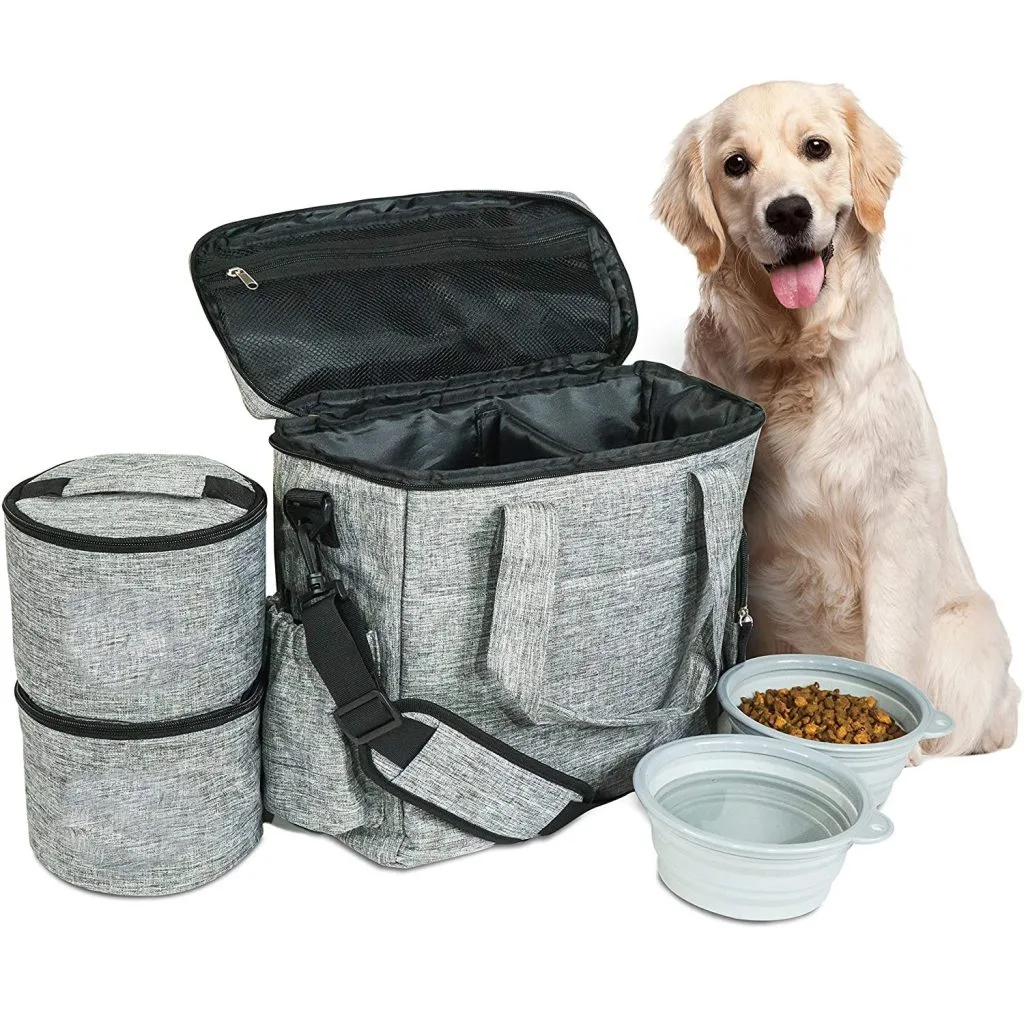
Designing to the Intersection Instead of Chasing One Policy
There is a persistent temptation to build the largest possible bag that still satisfies the most lenient airline, on the theory that maximum internal volume sells. It is the wrong target, and the reason is commercial rather than technical: the listings that attract complaints are the ones that succeed on most flights and fail on one.
A practical method for locating the intersection is simply to gather published rules, sort them by dimension, and build to a figure that clears the great majority with margin. Practically this means designing to about forty-three centimetres in length rather than fifty, twenty-eight in width rather than thirty-five, and twenty in height rather than twenty-eight — accepting perhaps fifteen percent less internal volume in exchange for clearing nearly every published limit.
Where channels differ, size curves should reflect it. Programmes sold mainly through pet specialty retail in one country can afford to build to that country's dominant carriers. Programmes sold cross-border on marketplaces, where six destination strictness sets apply at once, should build conservatively and accept the smaller internal volume. Trying to serve both with one tool produces the compromises neither needs.
Internal planning should then be conducted separately, because what actually matters to an animal is usable floor area and the ability to turn around. A slightly smaller exterior with a thin wall construction and no wasted internal pockets delivers more usable space than a larger box padded out with thick sides — so thin-wall engineering is usually a better investment than chasing maximum external dimensions.
Wholesale 600d pet carrier bodies support this well, since a light shell and minimal interlining keep wall thickness down while still holding shape. Our fabric-side analysis in the 600D grade selection guide sets out which constructions achieve that balance without sacrificing durability.
Design to the strictest commonly published limit rather than the most generous one, and recover internal volume through thinner walls rather than through external dimension increases.
Soft-Sided Compression: Legitimate Give Versus WishfulThinking
Most carriers' published dimensions assume the bag is placed under the seat as presented, and published guidance commonly notes that soft-sided carriers may flex to fit. That flexibility is the single most valuable asset a travel format has, and also the most abused.
The legitimate claim rests on recoverable compression. A properly engineered soft shell should compress three to five centimetres in height under moderate hand pressure, allow its top panel to settle inward while retaining shape at the floor, and return to full dimension within seconds of release. Anything beyond that begins to deform the internal structure rather than accommodate the space.
The failure mode is predictable: excessive compression buckles the floor board, which is precisely the surface the animal stands on. Once that happens the bag is uncomfortable, visibly distorted in photographs, and reviews follow. Specifying a floor board that tolerates temporary deflection — a composite of foam and board rather than thick board alone — is what makes real compression survivable.
Honest product description then becomes straightforward. Publish the uncompressed external dimension, publish the compressed height as a separate figure, and state plainly that the carrier flexes to fit spaces below its nominal height. What should never be published is a single optimistic dimension relying on compression the product cannot deliver.
Verification is simple and every programme should run it: load a unit to its stated animal weight ceiling, place it in a rigid frame set to the target dimension, and record both whether it fits and whether it recovers fully afterwards. Our structural work on load-critical reinforcement covers the board constructions that survive this test repeatedly.
Temperature also affects behaviour. Coatings stiffen in cold conditions, and a carrier packed into an unheated hold loses some of its flexibility, though less than most buyers fear. Testing compression at room temperature for specification and checking once at low temperature for information is a reasonable standard. Wholesale heavy duty pet carrier ranges tend to sit at the heavy end of the under-seat envelope for exactly this reason: their framing and thicker boards limit how much give the top panel genuinely has, and claiming more than the product delivers produces complaints rather than sales.
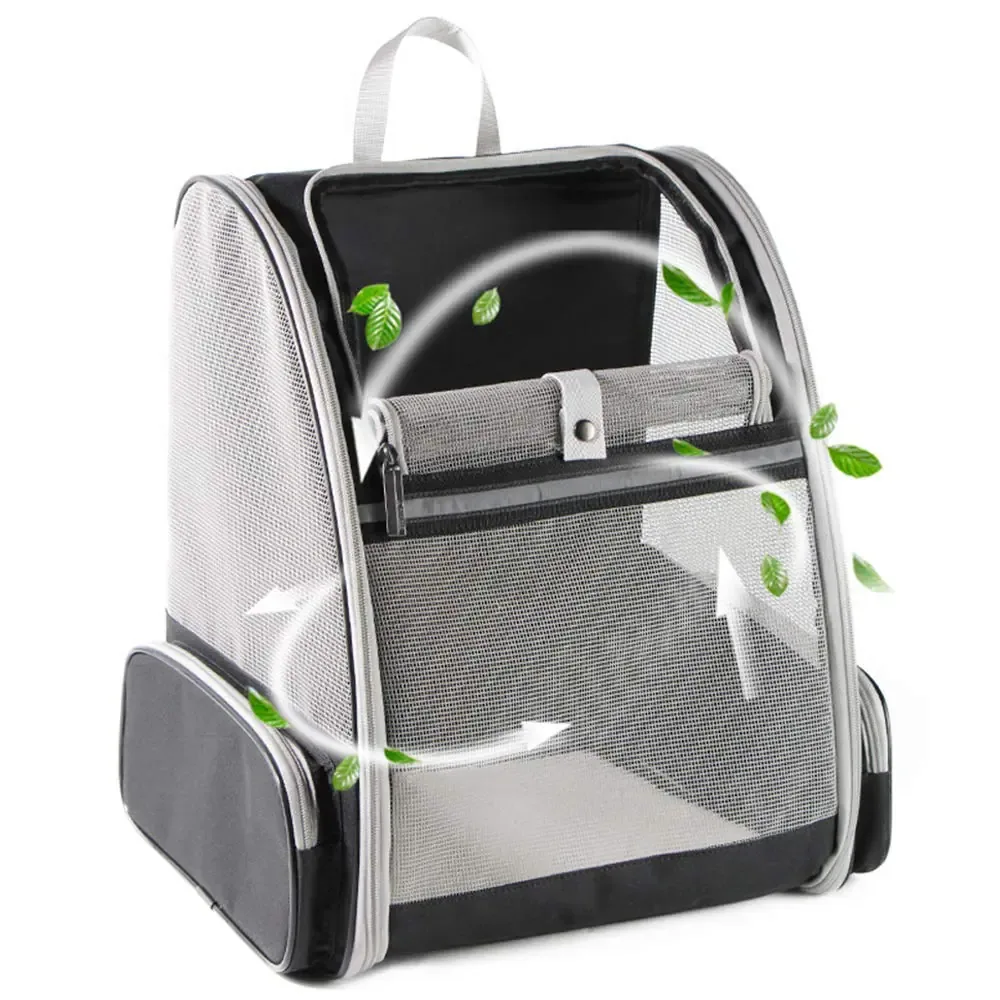
Ventilation Open Area: Percentage, Placement and Gate Reality
Ventilation is the requirement most written into published rules and most vaguely built into products. Every policy expects the animal to have adequate air, some specify how many sides must be open, and virtually none quantify it — which leaves the buying entity to set the number.
A workable specification has three elements. First, total open area should be at least eighteen to twenty-two percent of the product's total external surface area, calculated on the ventilated faces rather than on one panel. Second, openings should appear on at least three faces, because cross-flow matters more than raw area and a single large panel produces none. Third, aperture should be small enough that claws cannot pass — around three millimetres is the practical maximum for mesh — while still permitting genuine airflow.
Two refinements separate good designs from merely compliant ones. The first is oppositional placement: panels on opposing sides create through-flow, while two adjacent panels largely circulate the same air. The second is elevation: openings low on the bag are blocked by the seat carpet or the animal's own body, so the upper third of each ventilated face contributes disproportionately. Both refinements cost nothing at the pattern stage and neither can be added later without a new tool.
Top surfaces complicate this. A mesh top is attractive for visibility and airflow but is exactly the surface most likely to be blocked by the seat above it, and it cannot be counted as open area when the bag is stowed. Programmes should specify side and end ventilation as the counted opening and treat any top panel as supplementary.
Hardware interacts here too. A transparent window is not ventilation, no matter how tempted a designer may be to count it, and window film against the underside of a seat contributes nothing. Where a window is included for visibility, the counted open area must be supplied separately by genuine mesh.
Ventilation claims should be arithmetic: eighteen to twenty-two percent of external surface area across three or more faces, with side and end openings doing the counted work and every window treated as decoration.
Weight Classes: Animal Mass Against What the Bag Itself Weighs
Tare weight receives far less attention than dimensions, despite determining whether a given animal can travel at all inside a published combined ceiling. Every hundred grams of carrier is a hundred grams of pet that cannot come along.
Sensible engineering targets by size class: entry-level travel formats under 0.9 kilograms; medium carriers between 1.0 and 1.4 kilograms; large structured units between 1.6 and 2.2 kilograms. Those figures assume a light shell, a composite floor rather than solid board, minimal metal hardware and plastic rather than steel internal framing.
The trade-off with durability is real but manageable. Lightening usually comes from thinner fabrics, lighter boards and smaller gauges — none of which has to mean a weaker bag. Our work on wholesale airline approved pet carrier ranges suggests that the commercially viable answer is a light shell coupled with genuinely reinforced load points, rather than either end of the spectrum on its own.
Matching tare to animal class is then straightforward arithmetic. Against a typical published combined ceiling of eight kilograms, a 1.2 kilogram carrier leaves 6.8 kilograms of animal — comfortably inside the practical weight range of most cats and small dogs that travel in cabin. A 2.0 kilogram carrier leaves only six, which quietly excludes a meaningful share of the potential market.
Listings should state both figures. Publish the empty carrier weight, publish a recommended animal weight ceiling, and state the combined figure, because that is the number an agent may apply. Naming all three costs nothing and pre-empts the most common form of complaint in this category.
Nothing here is decided by nationality of supply: pet bags wholesale china programmes achieve low tare weights because they have light incentivised material choices, and the only reliable way to hit a target is to specify it rather than inherit whatever showed up in the sample.
Wholesale waterproof pet bags face the hardest version of this arithmetic, because coated cloth and sealed seam tape both add mass before any structural components are considered. The workaround is zonal: applying coating where it matters and leaving the upper panels lighter, rather than uniformly treating every face and paying for it in tare weight.
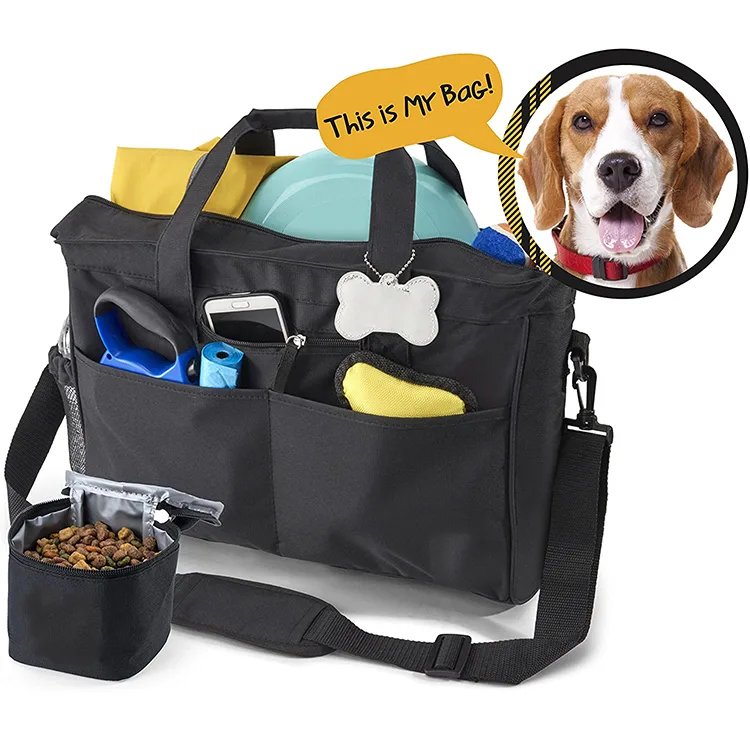
Verification: Sizer Frames, Loaded Measurement and Records
Dimensional claims should be verified the way they will be judged — loaded, with hardware attached, in a rigid frame — and then recorded. The procedure below takes about twenty minutes per size and removes nearly all subsequent disagreement.
Build or commission a rigid check frame set to your published target dimensions, with the interior slightly smaller than target. Load each unit with a distributed weight equal to its stated animal ceiling, plus a little for bedding, since a loaded bag measures differently from an empty one. Attempt to place it in the frame without force beyond normal hand pressure, and record pass or fail, then remove it and check recovery to within a few millimetres after ten minutes.
Measure at defined points and write them down: length at the widest point including handle bases and any external pocket, width at floor level, and height at the centre of the top panel. Three recorded measurements are reproducible; a single note saying that it fits is not, and it is also unhelpful when a dimension is later disputed, since nobody can reconstruct which points were checked or under what load.
Photograph everything, because photographs settle later arguments about whether batch three matched the approved sample. Retain the reference unit, tagged and dated, alongside photographs for the life of the programme.
Finally, integrate the check into final inspection rather than leaving it to development. A go or no-go frame placed at the inspection table, used on the sample count already drawn under your AQL 2.5 plan, verifies fit across the shipment rather than on one prototype. Our pre-shipment inspection note sets out how to fold dimension checks into an existing plan without extending it.
Verify loaded, in a rigid frame, at three defined measurement points, and repeat that check on every shipment rather than approving a dimension once at development.
Production Tolerance: Why the Sample Fits and Batch Three Does Not
Dimension drift is the quietest failure in travel formats and the one buyers find hardest to explain afterwards. The first sample fits; the tenth thousand apparently does not; and the technical pack said the same number throughout.
The causes are ordinary. Soft goods are assembled from pliable materials whose handling introduces variation: seam allowances taken a shade tight, padding settling differently, floor boards cut with a tolerance that stacks across layers, and zippers whose tape width shifts side geometry slightly. Individually these are within any reasonable tolerance; summed, they move the external dimension enough to matter.
The remedy is to write a tolerance into the specification rather than pretending precision exists. Five millimetres either way on each dimension is realistic for soft constructions, and anything tighter generally requires either rigid components or an expensive process. Once stated, the tolerance defines both acceptance and what constitutes drift.
Then bind it to inspection rather than to intention. Include external dimension within the airline approved pet carrier defect list, classify exceeding the stated tolerance as major rather than minor, and check it on the units already pulled for inspection. Most importantly, define the measurement method in the same clause — unloaded, at stated points, with stated hardware — since measurement technique changes results by more than the tolerance does.
Finally, plan the second build carefully. Pattern reuse is where programs drift most, because a second factory interpretation of the same drawing is never identical to the first. Retaining the approved surface unit as the physical reference, rather than relying on the drawing alone, is the cheapest insurance available and costs one carton of storage.
None of this requires exotic capability; it requires writing the number down, agreeing what it means, and checking it every time rather than once. Pet bag procurement teams that adopt the reference-unit habit alongside their written tolerance report markedly fewer dimensional complaints in their second season, which is precisely when most programmes begin to scale.
Why brands source here
- Pet bag programmes run since 2014; founding team in sewn goods since 2004
- SGS-verified production floor of 4,950 m² with 137 workers across 7 lines
- Monthly capacity of 200,000 units, audited to BSCI and ISO 9001
People Also Ask
What size should a pet carrier be to fit under an airline seat?
Build to roughly 43 x 28 x 20 centimetres external, measured loaded and including hardware. Most published policies sit higher, but designing to the conservative end of the band clears nearly all of them and leaves margin for how they are applied at the gate.
Is there an official airline approved carrier list?
No. Carriers publish maximum dimensions, weight ceilings and stowage rules, and the decision is made at boarding. Any claim of approval is a paraphrase of someone's policy, which is why accurate product description matters more than badges.
How much can a soft pet carrier compress to fit?
Plan for three to five centimetres of recoverable compression in the height, with the floor retaining shape. Publish uncompressed and compressed figures separately rather than relying on compression the board cannot tolerate.
How much ventilation do airlines require in a pet carrier?
Policies rarely quantify it, so specify eighteen to twenty-two percent of external surface area across three or more faces, with panels on opposing sides to create cross-flow and a mesh aperture around three millimetres to restrain claws.
Does the carrier weight count toward the airline limit?
Yes. Nearly all published ceilings cover the animal and carrier combined, so every kilogram of tare is a kilogram of pet that cannot travel. Aim below 1.4 kilograms for a medium size.
Why do later production batches stop fitting the approved size?
Accumulated tolerance: seam allowances, padding settling, board cutting and zipper tape width each vary slightly and their effects add up. Write a dimensional tolerance into the specification and verify it at inspection on every shipment.
Frequently Asked Questions
Who decides whether my carrier meets airline size limits?
The gate agent for that flight, applying the carrier's published dimensions. There is no pre-approval and no certificate, so build conservatively and publish accurate loaded dimensions rather than chasing one published maximum — especially for wholesale pet bags usa listings, where reviews name the airline directly.
Should I publish internal or external dimensions?
External, measured loaded, including hardware and external pockets. Internal figures invite returns and have no bearing on whether a bag fits the space it is checked against.
What weight limit do most carriers publish for cabin pets?
A combined animal and carrier ceiling of around eight kilograms is the common figure, with some policies published lower and a few higher. Design to eight and state the combined number clearly in the listing.
Can the top mesh panel count toward ventilation?
It should not. The top surface is frequently obstructed by the seat above once stowed, so counted open area should come from side and end panels that remain unobstructed during the flight.
What mesh aperture prevents claws escaping through it?
Roughly three millimetres maximum. Tighter weaves resist claws better but reduce airflow, so balance aperture against the total open area rather than optimising either figure alone.
Does the IATA Live Animals Regulation apply to cabin carriers?
Yes as a framework, particularly influencing animal welfare and container construction expectations, though individual carriers set their own cabin dimension and weight rules and frequently introduce tighter requirements.
How heavy should the carrier itself be?
Under 0.9 kilograms for compact travel formats, 1.0 to 1.4 for medium sizes and 1.6 to 2.2 for large structured units. Achieve this through light shells and composite boards rather than thinner overall construction; a wholesale heavy duty pet carrier frame inevitably sits at the top of that range.
Should dimensions be a critical or minor defect at inspection?
Classify exceeding the stated tolerance as major. Dimensional drift accumulates quietly, and treating it as minor workmanship is how every unit in a batch sails through while none of them actually fits — a habit most pet bag procurement teams abandon after one season of returns.
What tolerance is realistic for a soft carrier?
Around five millimetres per dimension for soft constructions. Anything tighter usually requires rigid components or process changes that cost considerably more than the precision is worth to the end user.
Does cold temperature change how a carrier compresses?
Somewhat: coatings and foam stiffen when cold, reducing flexibility. Test to specification at room temperature and check once cold for information, but do not publish dimensions that depend on warm conditions. Wholesale waterproof pet bags with heavier coatings stiffen most, so their compression margin should be narrower.
Do I need a rigid frame or just a soft shell?
A soft shell with a composite floor board and light stays is usually the best answer, and it is what a wholesale 600d pet carrier body supports particularly well. It holds enough shape to protect the animal while retaining the compression that decides whether a bag fits at the seat.
How should I describe compliance without overclaiming?
State the dimensions you built to, the compression behaviour and the combined weight ceiling, then recommend passengers check their specific carrier. Accurate figures build trust; a claim of approval that cannot be evidenced destroys it. Pet bags wholesale china programmes ship the same way, so the description should carry what no certificate can.
Talk to QUANZHOU JUNYUAN BAGS about a wholesale pet bag order: MOQ 500 pieces per colourway, samples in 6-10 working days, bulk production in 35-50 days under AQL 2.5 inspection.
Get a free quote Request a sample